
If War Ended, What's Next

Gaza 8.10am
The day after the war, there will be fundamental questions of security, governance and who will pay for a truly massive reconstruction of Gaza – efforts that are essential to prevent the kind of radicalization that led to October 7.
The rocky hills of Wadi as-Seeq, in the heart of the occupied West Bank, feel a long way from the war in Gaza. But the silence of its abandoned homes speaks also of Palestinian suffering. In the last year, the Palestinian Bedouin community there has faced relentless harassment and violence from settlers who set up an illegal outpost next to their community.
On 12 October, days after Hamas’s appalling massacre in southern Israel, an armed group of illegal settlers, reportedly including members of the IDF, descended on the Palestinian Bedouin hamlet. Many of the residents were beaten and abused, before being driven out of their homes.
The world has rightly been focused on the war and humanitarian suffering in Gaza and the Hamas terrorist massacre. However, we cannot forget the West Bank. Illegal settlers do not just steal land and possessions. They snatch the hope of a two-state solution, the only prospect for a lasting peace across Israel and Palestine. This is visible to the naked eye as you drive through these hills, where red roofs, high walls and trailers of Israeli settlements steadily break up what is legally Palestinian land. For years, settlers have been aiming to make this map impossible on purpose. Every inch of land they take puts political compromise in greater peril.
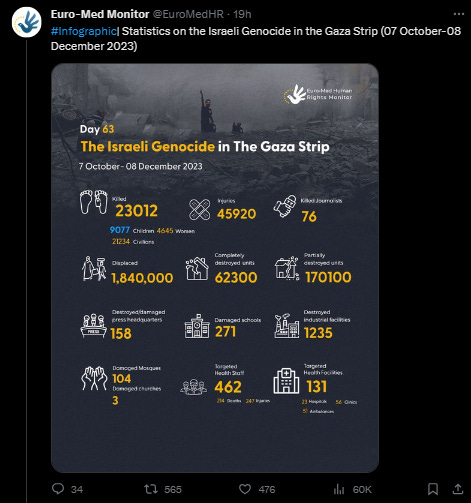
What happened in Wadi as-Seeq is not an isolated incident. Since 7 October, more than 1,000 Palestinians in West Bank and 1.9 million in Gaza have been forcibly displaced from their homes.
For specific West Bank, these communities are the most isolated and vulnerable, with no protections to keep them safe. In neighbouring Ein Rashash and Muarrajat, and in Khirbet Zanuta and Khirbet Ratheem in South Hebron, people have also been forced to flee.
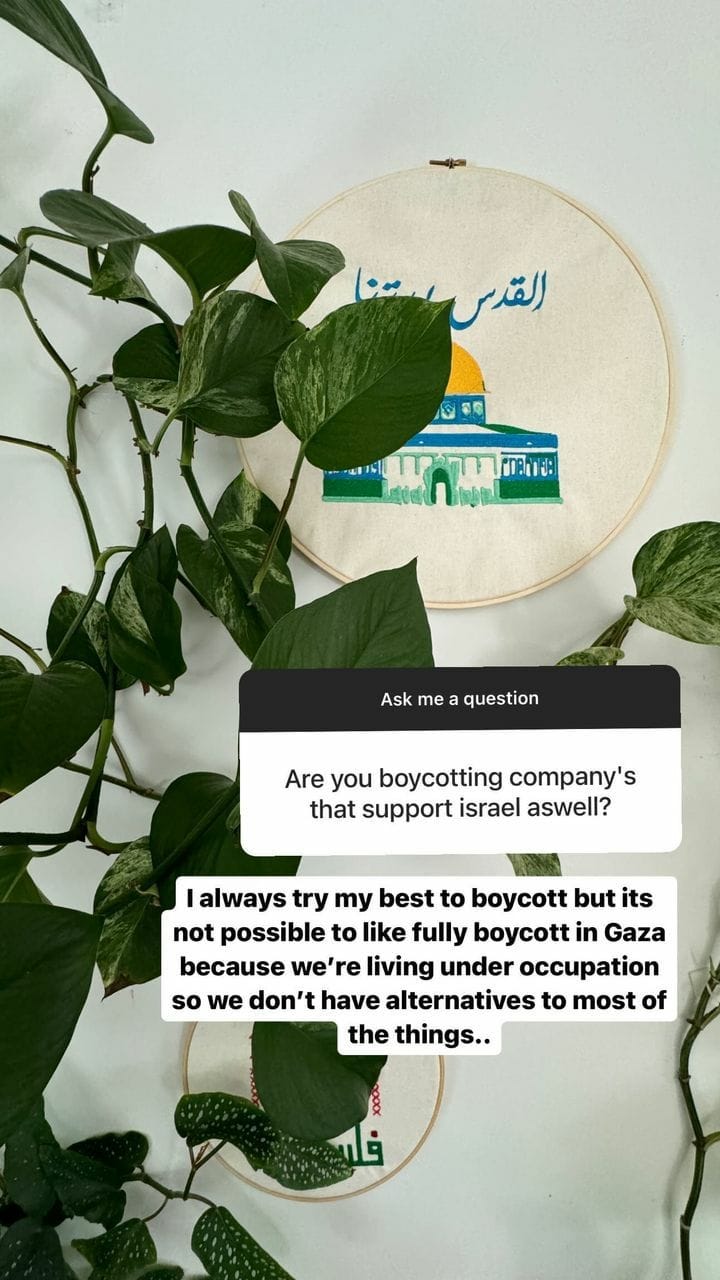
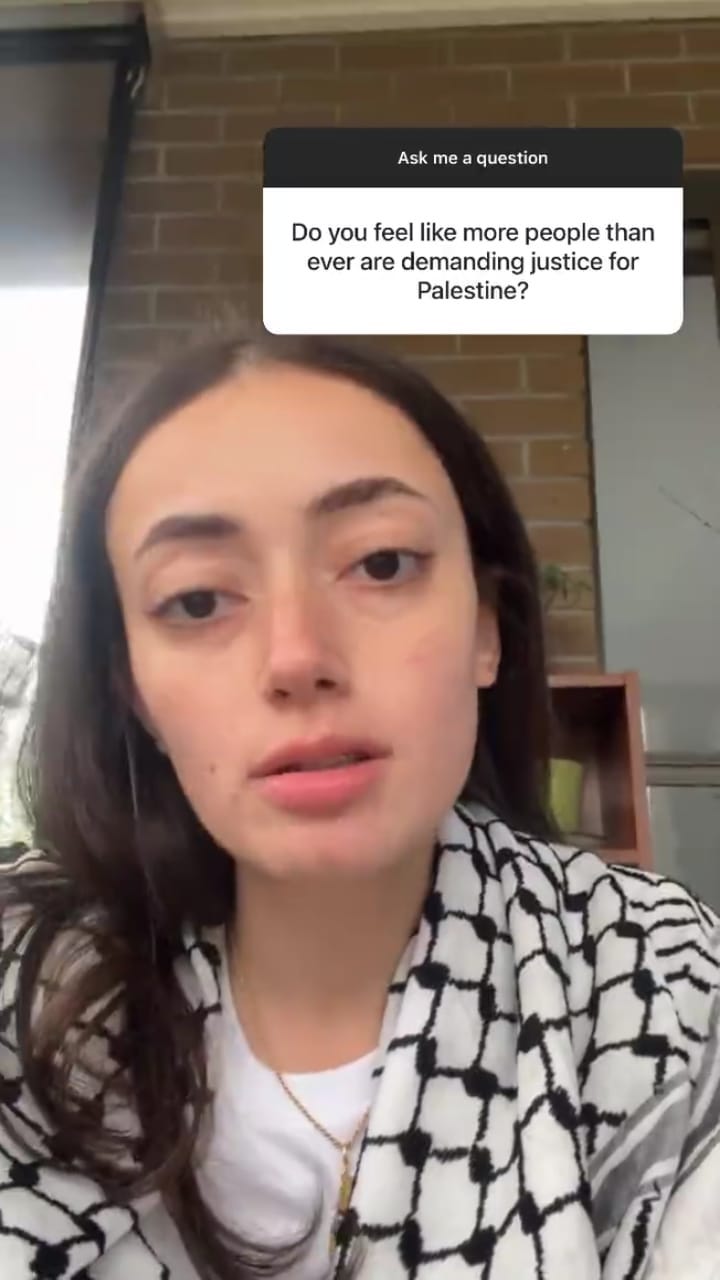
Plestia Alaqad
For countless Palestinians, rising settler violence has become daily life. Since the war began, the United Nations has recorded more than 300 settler attacks, averaging around six a day. Intimidation and harassment on the ground bang a constant drum.
More than 250 Palestinians have been killed in the West Bank since 7 October. Meanwhile there has been a rise in attacks on Israelis in the West Bank, with at least four killed in the same period as well as numerous planned terror attacks that have reportedly been foiled.
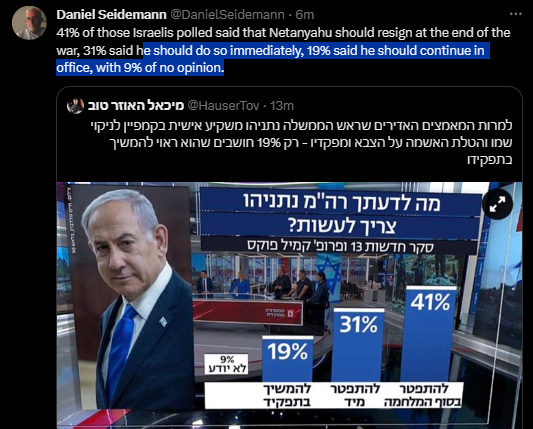
Too often, Israeli authorities have turned a blind eye to settler violence. Worse than this, Itamar Ben-Gvir, the minister for national security, and Bezalel Smotrich, the finance minister who also has security responsibilities in the West Bank, have secured more than US$100m in the latest Israeli budget for the settlers, while defunding the Palestinian Authority and promoting dangerous and extreme rhetoric about Palestinians. This is totally unacceptable. Not only Netanyahu.
The harassment of Israeli and international anti-occupation activists chronicling these developments in the West Bank must also end. This is part of a familiar pattern because settler extremists see both Palestinian or Israeli supporters of a two-state solution as their opponents – to be intimidated or humiliated. This is a threat not only to Palestinians but Israeli civil rights.
The people of Gaza, like the people of the West Bank, must know that a Labour government, with the international community, will not tolerate their expulsion. Israel must clearly affirm that Palestinians displaced since 7 October will be able return to their homes. Any effort must bring real change and real protections to Palestinian lives in Gaza and the West Bank.
The death and destruction seen in Gaza over the last two months has been intolerable.
But the West Bank is not a peripheral issue. Only here, in what should be the heartland of a future Palestinian state, can a reformed and revived Palestinian Authority be rebuilt, eventually becoming strong enough to take over the running of Gaza.