
Chaos in Climate Change Summit

Almost 200 countries gathered in Brazil acknowledged Saturday that their efforts to stop calamitous global warming were off pace — but geopolitical headwinds and fossil-fuel-producing countries snuffed out hopes of a meaningful commitment to move faster.
A deal approved after a difficult final day of negotiations at COP30 calls for nations to make enhanced efforts to curb the Earth’s rising temperatures and provide poorer, vulnerable countries with assurances of funding to cope with the impacts of a hotter planet.
But the agreement does not include a proposal urging the world to hasten its transition away from oil, natural gas and coal, as EU nations and other countries had proposed. And it offers climate financing for developing countries more slowly than they had wanted, due to resistance from rich governments in Europe and elsewhere.
Fractures among blocs of wealthy and developing countries flared even after the main agreement won approval Saturday afternoon, with Colombia calling for a stronger deal addressing fossil fuels at the last minute.
After in Belem this year, COP31 next year in Antalya. Breaking a stalemate that lasted over a year, Australia has ceded the hosting rights for the COP31 UN climate summit to Türkiye but will lead the negotiations, its environment minister told reporters in Belem on Wednesday.
Türkiye is set to host the two week-long summit in the resort city of Antalya next year after refusing to back down, despite Australia enjoying greater support for its candidacy.
Had Türkiye blocked Australia in a vote among the 28-nation-strong “Western Europe and Others” regional group whose turn it is to host COP next year, the summit would have defaulted to Bonn, the home of the UN climate body.
A Russian delegate then took the floor and, speaking in Spanish, implored “my comrades from Latin America … to stop behaving like children who want to get your hands on all the sweets, and are not prepared to share them with everyone. You want to stuff the sweets down your throat until you make us all sick.”
That remark provoked a furious response from Argentina in defense of its neighbors. The Brazilian hosts, struggling to contain the vitriol, promised to discuss the Colombians’ concerns at a later meeting.
The negotiations had faced multiple other complications as well, including the United States’ refusal to attend the summit.
For all the friction, the main deal was a stronger outcome than what Brazil had proposed in the final days of the talks. But the agreement still only alludes to a push by 82 nations, including many in Europe, for a concrete process to speed up the worldwide transition away from fossil fuels. That proposal had drawn objections from major oil- and natural-gas-producing nations, which have pointed to rising energy demand as a driver of the continued need for output.
Instead, countries agreed to take marginal steps to accelerate their climate efforts while “striving” to do better, a phrase that China — the world’s clean energy superpower, second-biggest economy and largest greenhouse gas polluter — has used to refer to its own targets.
Brazil also pushed a side deal for creating two separate “roadmaps” that would outline a path toward winding down fossil fuel use and ending deforestation. Colombia and the Netherlands, strong advocates of a fossil fuel phase-out, had announced Friday they would co-host a summit next year to move that effort forward.
“As president of this conference, it is my duty to recognize some very important discussions that took place in Belém and that need to continue during the Brazilian presidency … even if they are not reflected in these texts we just approved,” COP30 President André Aranha Corrêa do Lago said following the final gaveling.
“There was no backtracking, there was a bit of progress,” said German climate minister Carsten Schneider. “I would have liked to see much more, but we also wanted a COP that produces results and shows that multilateralism works, even if it is incredibly difficult.”
The final text is nonbinding, and even a firm reiteration of a previous summit’s 2023 pledge to eventually phase out oil, gas and coal would have had no effect on countries such as the United States that are aggressively moving to expand their production and exports of fossil fuels. But the less-than-resounding support for taking that pledge forward raises questions about whether countries remained united behind a goal they had described as historic just two years ago, according to delegates who expressed disappointment Saturday.
The 13 days of talks in the northern Brazilian port city of Belém took place without U.S. delegates present — a first for the annual global climate talks — after President Donald Trump dismissed the effort to avert the Earth’s warming as a “hoax” and a “con job.”
Trump announced in January that he was once again withdrawing the United States from the 2015 Paris Agreement, the global climate pact whose goals had provided a basis for this month’s negotiations.
The absence of a strong U.S. push for a climate deal something Washington had provided at previous talks under former Presidents Barack Obama and Joe Biden, allowed a bloc of emerging economies and petro-states to scrub the final text of any explicit mention of the fuels driving climate change.
EU members, while initially split over whether to endorse the roadmap on fossil fuels, had railed against the snub on Friday and were prepared to walk away from the summit on the final day without a deal.
But the bloc won a handful of small concessions overnight, and after hours of discussions early Saturday morning decided to endorse the slightly tweaked text.
“We would have liked to have more,” EU climate chief Wopke Hoekstra said, but “we do think we should support it because at least it goes in the right direction.”
The 2023 U.N. climate summit in the United Arab Emirates — a major oil and gas producer in its own right — had urged countries to begin “transitioning away from fossil fuels.”
In the years since, fossil fuel production has continued rising. At the same time, though, use of renewable energy sources such as solar and wind power have taken off, thanks in large part to lower costs and rising exports of gear from China.
But China, which still describes itself as a developing country, declined to step into a political leadership position at the talks, despite having a major presence at the summit and a predominant role in the world’s clean energy supply chains. That left the European Union and more progressive climate countries, such as Colombia and the United Kingdom, isolated in pushing for a more ambitious deal without U.S. backing.
As the COP30 host and president, Brazil had placed a priority on connecting the talks to the real economy and sending a message that global cooperation on climate is still alive and breathing. The final deal achieved that aim, but just.
“At a time of great political challenge, 193 countries have come together within the Paris Agreement to recommit to acting on the climate crisis,” said U.K. Energy Secretary Ed Miliband. “We fought hard for this outcome because it is crucial to protect future generations and because of the economic opportunities today from clean energy.”
============================
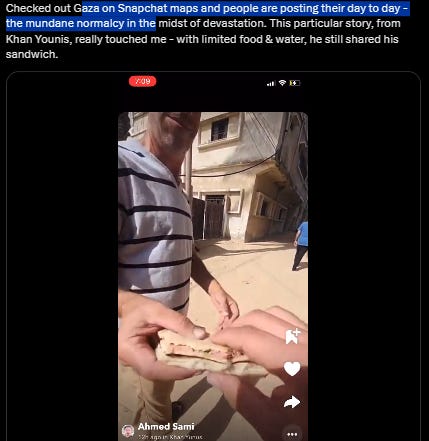
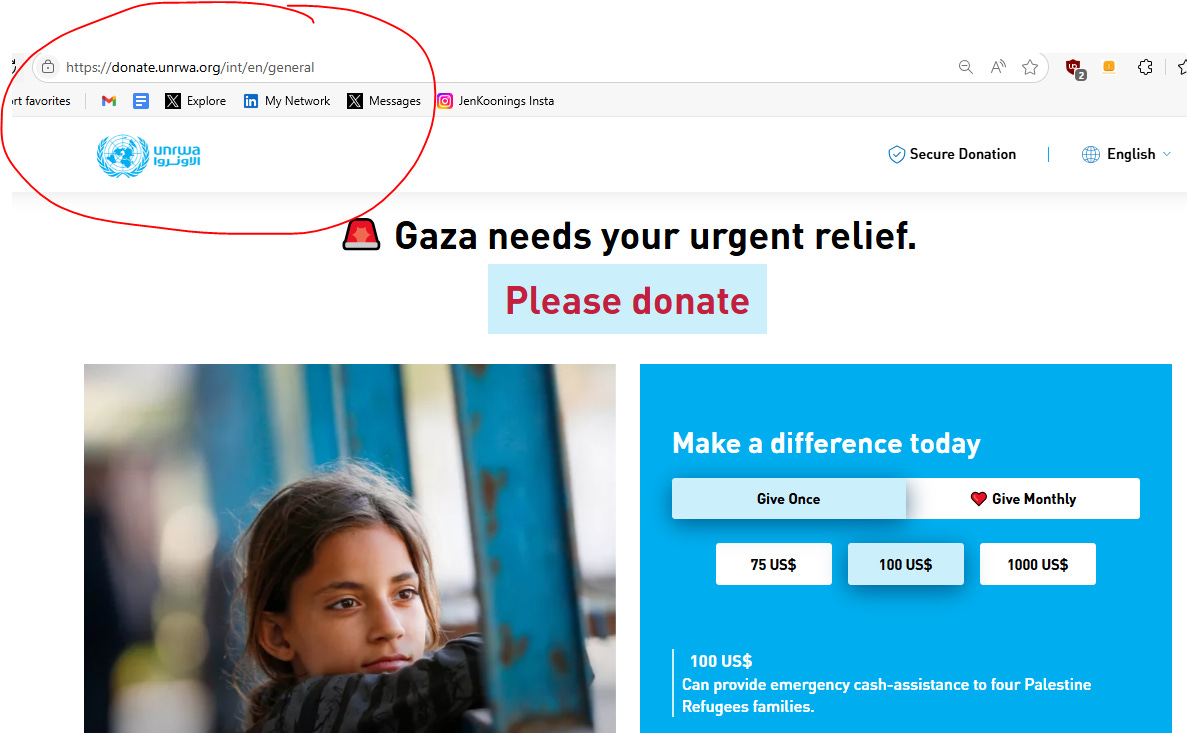
If you feel powerless to help Gaza, you still has a choice: donate. When so much of what exists is false, authenticity is a powerful weapon we can wield that the state never could. So if you feel lost, hopeless, depressed, angry and afraid, I implore you to return - again - again - and again - to the feeling of love that exists within you that brought you here in the first place. It is only through this that we can remake the world. To redress Gaza’s famine, displacement, and destruction, independent and impartial humanitarian organizations - UN agencies, international and national NGOs - must be allowed to deliver relief at scale. To salvage Gaza’s people from the devastation inflicted by Israel, it must be unified with the West Bank to form an independent and sovereign Palestinian State, not to be parceled and colonized by the former.


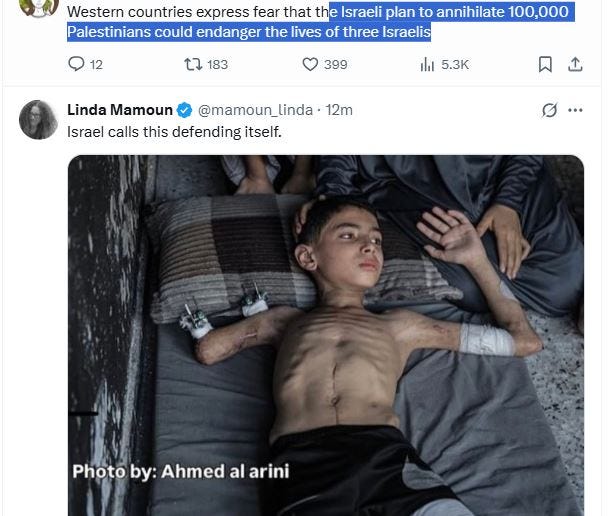
Meanwhile, children continue to be shredded by US bombs, and the starvation reaches new depths of hellish collective punishment. If both parties are going to continue to support an ongoing genocide, at least they can both be honest about doing so, rather than having one openly bloodthirsty party, and another—unconvincingly—playing the role of powerless, bumbling humanitarian.
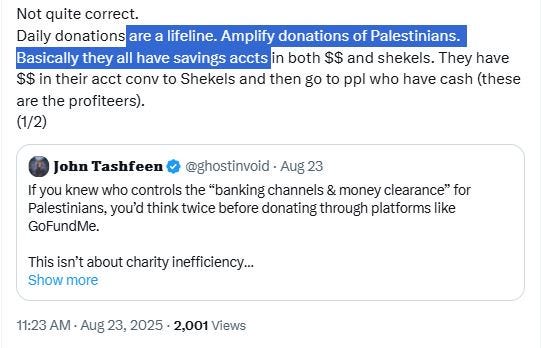
Please keep donate Gaza especially if you, as reader, has [background] International Relation [whatever universities]. IR Graduate means [you must, at least] get some semester [about] studying Middle East [in macro, not specifically Gaza].
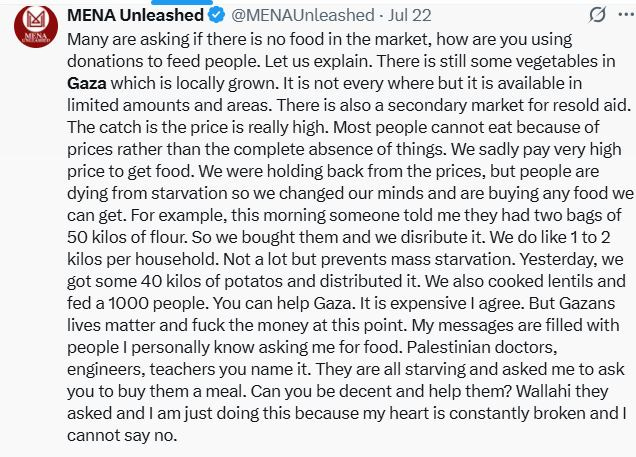
We need more people to share fundraisers instead of only talking about Gaza. Some people think that those in Gaza don’t need money but that’s wrong. Almost everyone lost their source of income while essentials, food & medicine get sold for astronomical prices. So I put my attempt in all social media as I can, in twitter / X, in substack [since October 2023 I put link donation], in bluesky or bsky, in threads, in instagram.

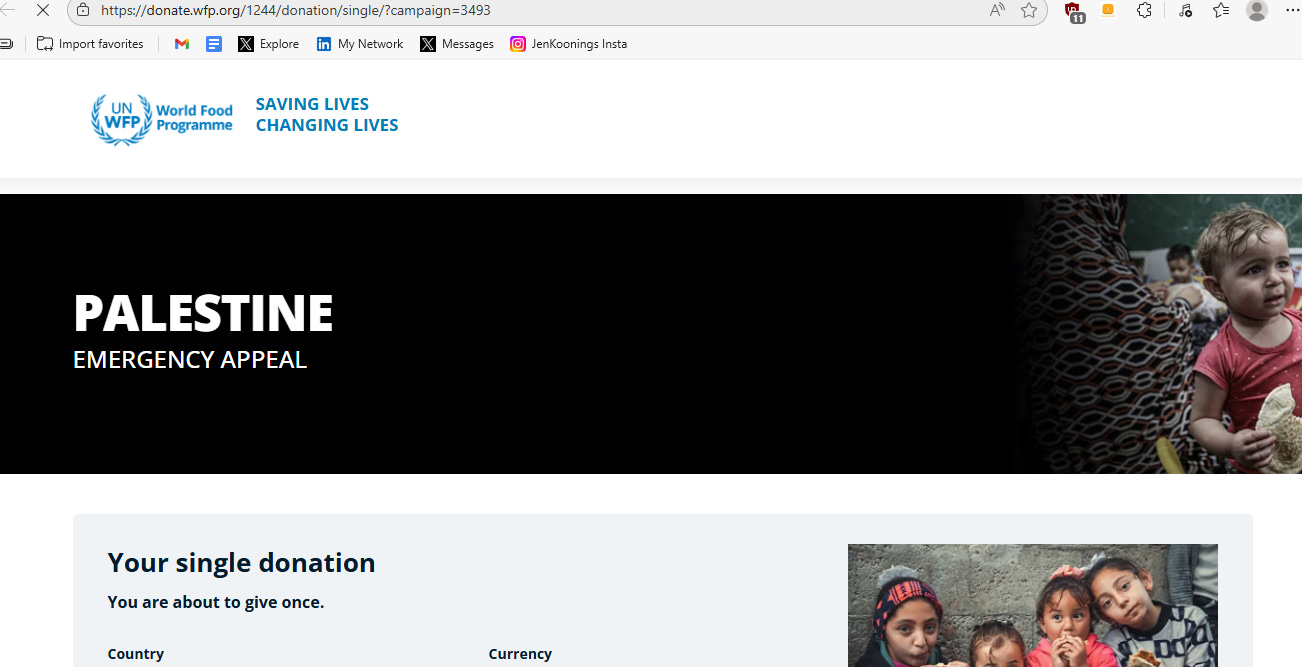
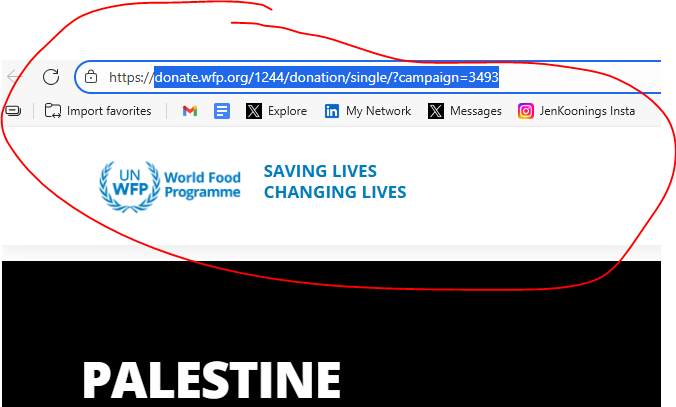
Link to donate World Food Programme - Palestine appeal: click here


[Daniel Brühl]

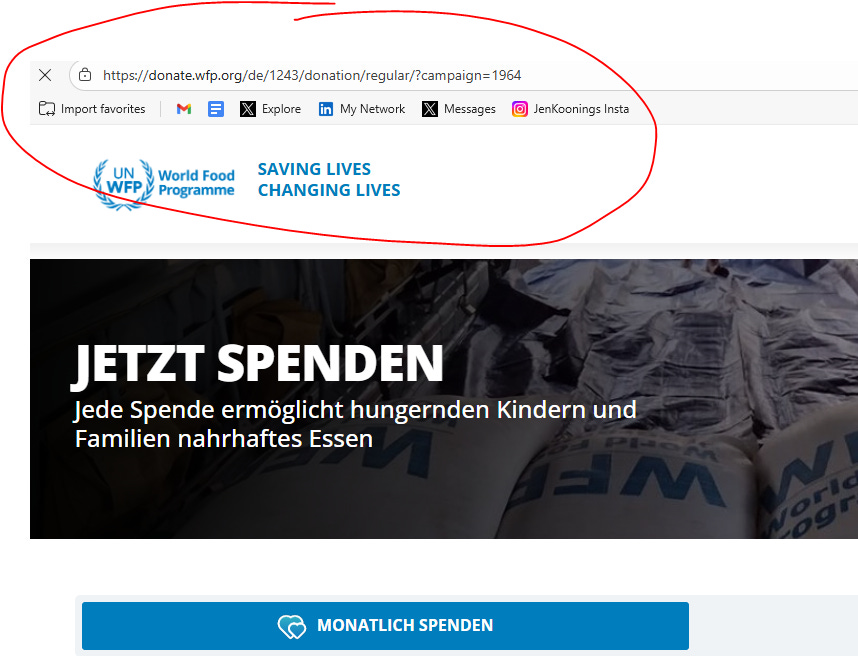
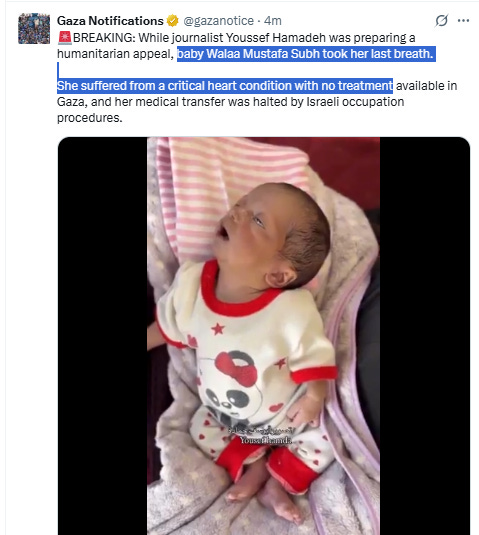
Most campaign shared or circulated in social media are for REAL people in Gaza. They’re legit. There are a lot of small campaigns for struggling families. This is their only lifeline. By donating & sharing, you are literally making history and alleviating part of their pain
Please do not rely on me alone for sharing your campaign. I’m only 1 person and sometimes I’m not online which is unreliable. I never ignore anybody on purpose but I have a very limited capacity & very little energy and time.
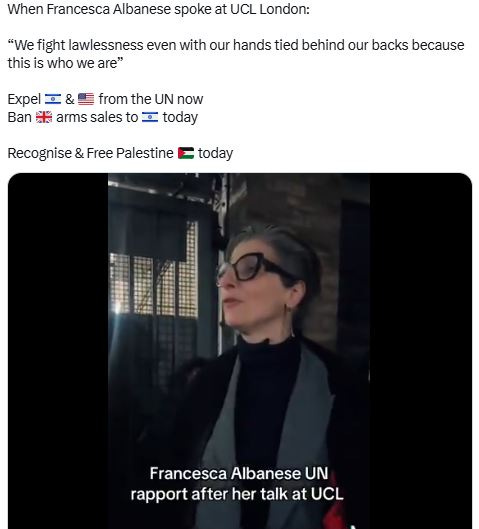
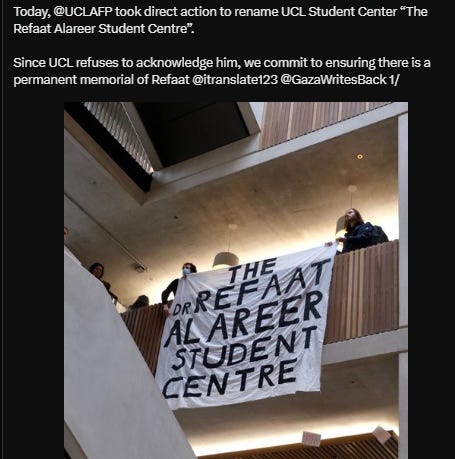
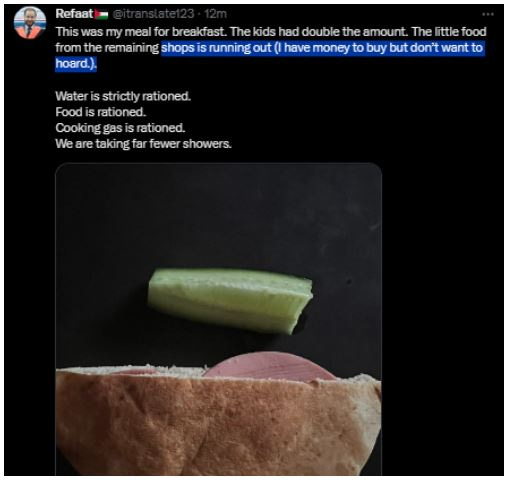
[Refaat Rafiq Alareer IF I MUST DIE] Refaat Rafiq Alareer was extremely hungry, November 2023, days before Refaat killed by Israel airstrike. If November 2023 already [one-by-one Gazan] extremely famine, extremely hungry, imagine November 2025 or more than 2 years Israel’s Genocide in Gaza.


Thanks for reading Prada’s Newsletter.
Who will Bell 🔔 the Cat 😺? Love, Ganga 🌹