
Harvard and Racial Discrimination

Has the effort to end race-based admissions in higher education—a major goal of conservative and libertarian institutions for years—resulted in significant harms to mostly white applicants? That is the provocative claim of Helen Andrews in a new article for Compact magazine that seeks to undermine support for race-neutrality and meritocracy in American institutions.
Andrews wields this claim as part of a broader invective against Asian immigration, which she has maligned on X in recent days. In Andrews’ view, we should start to worry about Asian overrepresentation in the upper echelons of American society, in particular because of Asian “grind culture” and what she views as pervasive “cheating” among Asian students on tests. The idea that this is a uniquely Asian problem is quite absurd, though Andrews is quite fond of stereotyping various identity groups.
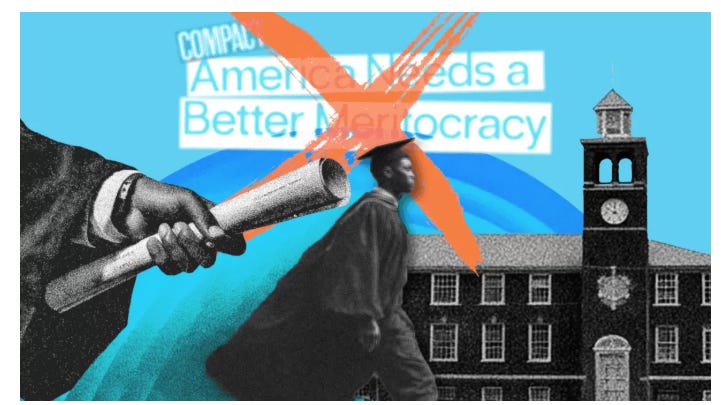
Supporters of free markets and free trade already understand why Andrews is largely wrong about the effects of Asian immigration. Accepting more high-skilled immigrants from Asia will make the U.S. more productive and prosperous; even President Donald Trump, an overall skeptic of immigration, has considered bringing in more foreign laborers who have “certain talents.” In her latest article, however, Andrews professes that she is a skeptic of free trade and meritocracy, and opposes increased competition for jobs and university placements, because too much competition “can be toxic.”
She then clarifies what she means by toxic: Since the ostensible end of race-based preferences in elite higher education—a reality brought about by the Supreme Court in the 2023 decision Students for Fair Admissions v. President and Fellows of Harvard College—Asians have seen their representation in Harvard’s freshman class grow significantly, from 26 percent to 41 percent. The white student body, however, has declined from 47 percent to 31 percent in four years. Black and Latino representation, Andrews writes, has remained “roughly the same, with small fluctuations.”
Those fluctuations are larger than Andrews concedes, as Cathy Young pointed out on X. Hispanic enrollment dropped from 16 percent to 11 percent in the past year, according to The Harvard Crimson. Black enrollment decreased by 2.5 percent, and had fallen another four percentage points the year before. That figure now sits at 11.5 percent. Her central claim—that forcing Harvard to end racial discrimination has only harmed whites—is thus not at all supported by the data she cites. Instead, ending racial preferences has reduced universities’ ability to award student applicants more points toward admission if they belong to certain racial classifications. This has primarily benefitted the most disfavored racial group, which is Asians, and has come at the expense of all other groups, not just white people, which was the exact outcome anticipated by opponents of race preferences.
Yet Andrews, using rhetorical sleight of hand, implies that Edward Blum, the architect of the Students for Fair Admissions lawsuit, harbors some kind of profound disinterest in anti-white discrimination.
“Harvard did not stop discriminating by race, it simply stopped doing so against Asians,” she writes. “Affirmative action continues, but now it is entirely at the expense of one race instead of two. This is not what Blum intended. Unfortunately for him, he did not sue Harvard in the name of merit. He sued in the name of Asians.”
This claim is false and wildly unfair. Blum cited many powerful examples of Harvard’s discrimination against Asians in his lawsuit, and that ultimately persuaded the Court to sharply limit racial preferences toward all applicants.
Additionally, Andrews makes another error in that same paragraph, implying this outcome she has imagined—that racial nondiscrimination is harming whites—is desirable to Asians. She cites a poll that finds Asians consistently support affirmative action, “despite what many Republicans assume.”
That’s also misleading, however, as it elides the distinction between affirmative action and racial preferences. Affirmative action often refers, much more broadly, to efforts to address past racial disparities via a variety of strategies, including simply making underserved minority populations aware of opportunities. College admissions officers making visits to inner-city high schools and telling the students they should apply can be counted as affirmative action. Racial preferences, on the other hand, involve discriminating in favor of applicants on the basis of race.
In the Pew Research Survey cited by Andrews, a majority of Asian-Americans said they supported affirmative-action, but three-quarters of those same respondents said colleges should not consider race and ethnicity when making admissions decisions. If anything, the survey disproves the point she was trying to make.
The rest of Andrews’ article relies on even thinner evidence against high-skilled immigrants entering the American elite; the fact that in India, some doctors are incentivized to recommend unnecessary surgeries, is implicitly treated as a reason to turn away Indian doctors, even though, as Andrews concedes, “Here in the United States, I am not aware of any evidence of ethnic disparities in unnecessary medical procedures.”
What America really needs, Andrews concludes, “is a pause on high-skilled immigration, which is already desirable for other reasons.” The other reasons, according to a previous article she wrote, involve depriving Silicon Valley tech CEOs of the necessary talent to grow their companies and keep them internationally competitive. Andrews apparently sees this as a positive potential outcome.
If this is the nationalist, populist agenda—fewer doctors and computer programmers; the return of diversity, equity, and inclusion in elite admissions (for white people); and overblown, explicitly-identity-based fears about changes to America’s elite culture (it will place a greater premium on intelligence and achievement, oh no!)—then this is not exactly a plan for the U.S. to remain globally dominant.
==================
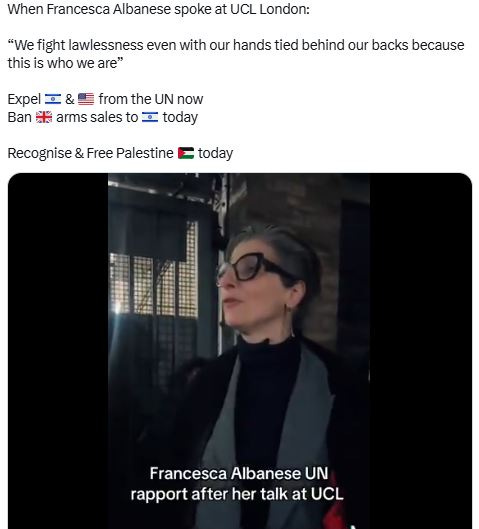
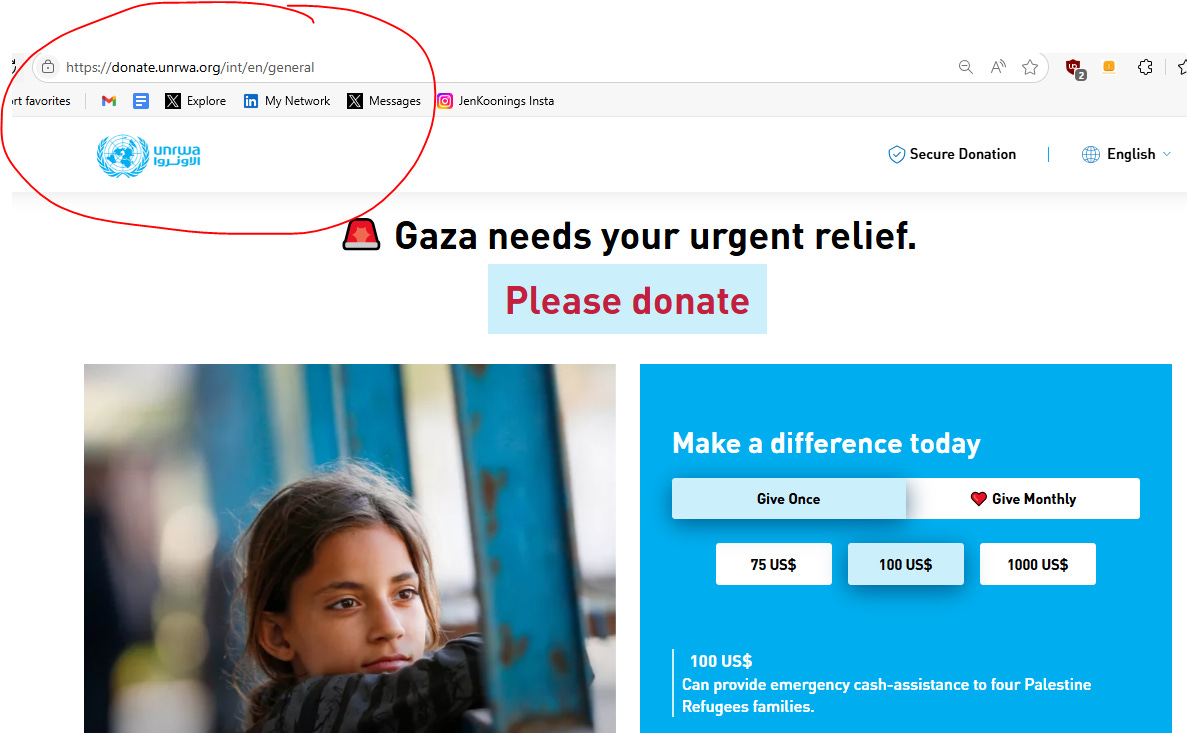
If you feel powerless to help Gaza, you still has a choice: donate. When so much of what exists is false, authenticity is a powerful weapon we can wield that the state never could. So if you feel lost, hopeless, depressed, angry and afraid, I implore you to return - again - again - and again - to the feeling of love that exists within you that brought you here in the first place. It is only through this that we can remake the world. To redress Gaza’s famine, displacement, and destruction, independent and impartial humanitarian organizations - UN agencies, international and national NGOs - must be allowed to deliver relief at scale. To salvage Gaza’s people from the devastation inflicted by Israel, it must be unified with the West Bank to form an independent and sovereign Palestinian State, not to be parceled and colonized by the former.


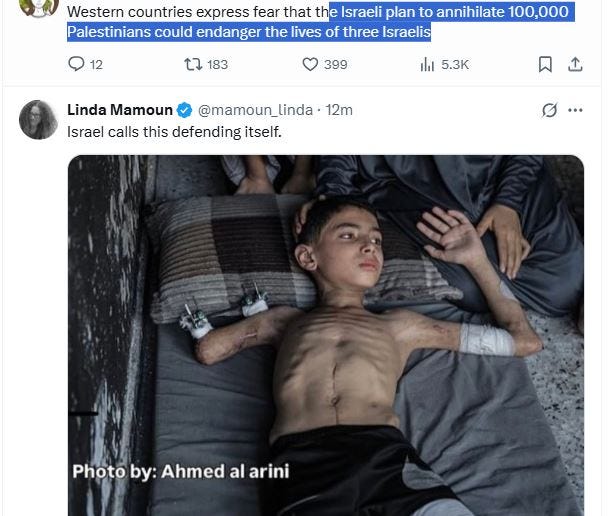
Meanwhile, children continue to be shredded by US bombs, and the starvation reaches new depths of hellish collective punishment. If both parties are going to continue to support an ongoing genocide, at least they can both be honest about doing so, rather than having one openly bloodthirsty party, and another—unconvincingly—playing the role of powerless, bumbling humanitarian.
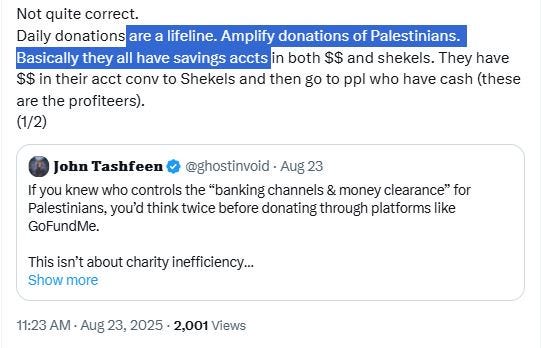
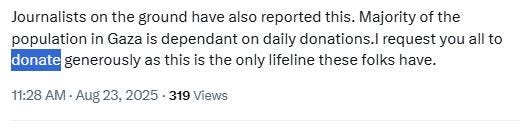
Please keep donate Gaza especially if you, as reader, has [background] International Relation [whatever universities]. IR Graduate means [you must, at least] get some semester [about] studying Middle East [in macro, not specifically Gaza].
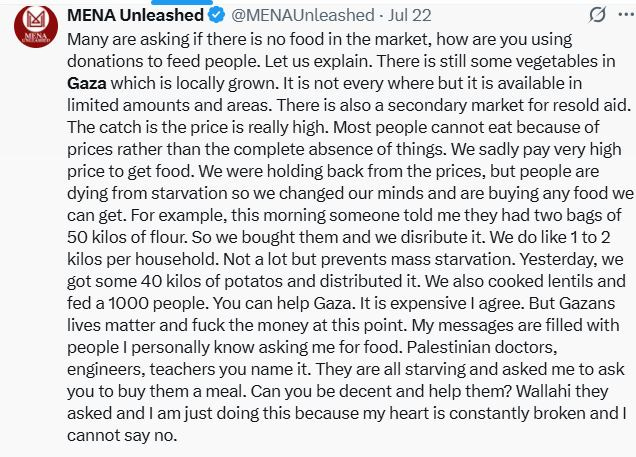
We need more people to share fundraisers instead of only talking about Gaza. Some people think that those in Gaza don’t need money but that’s wrong. Almost everyone lost their source of income while essentials, food & medicine get sold for astronomical prices. So I put my attempt in all social media as I can, in twitter / X, in substack [since October 2023 I put link donation], in bluesky or bsky, in threads, in instagram.
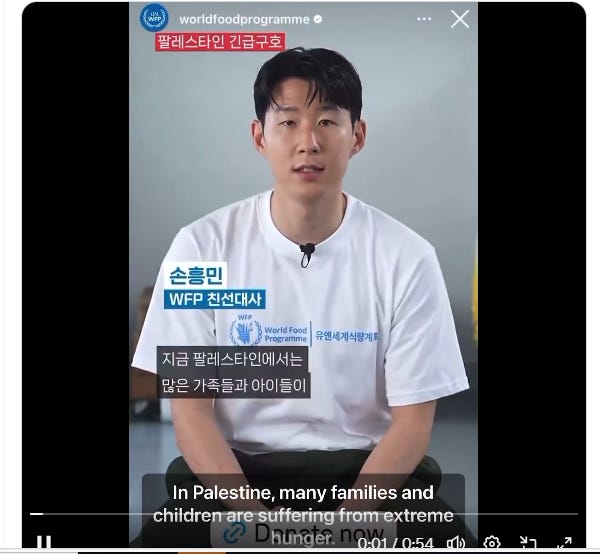
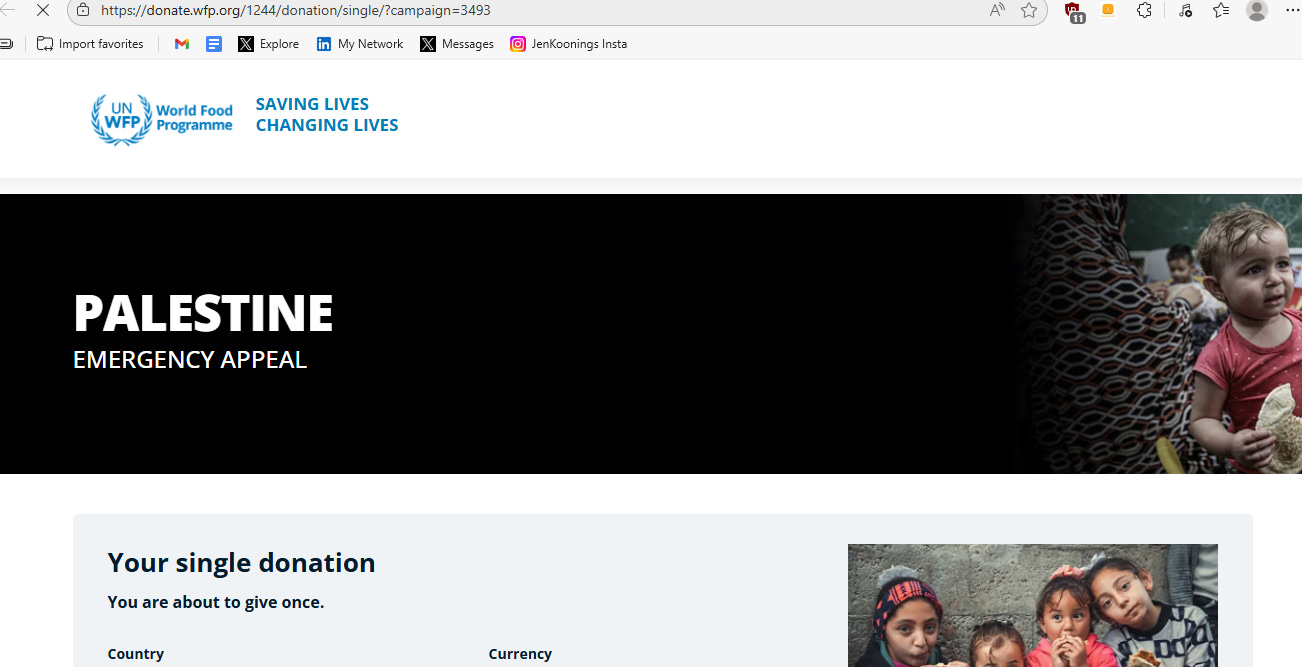
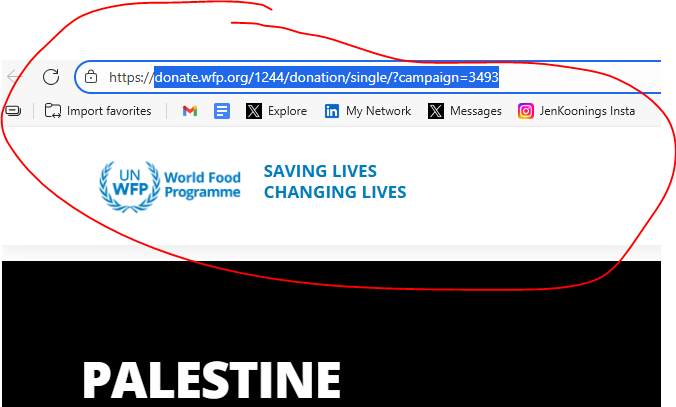
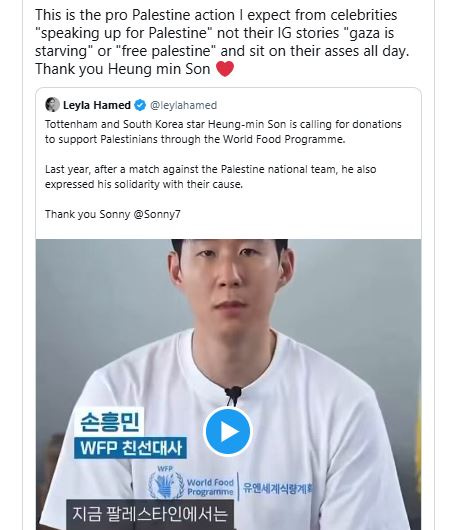
Link to donate World Food Programme - Palestine appeal: click here
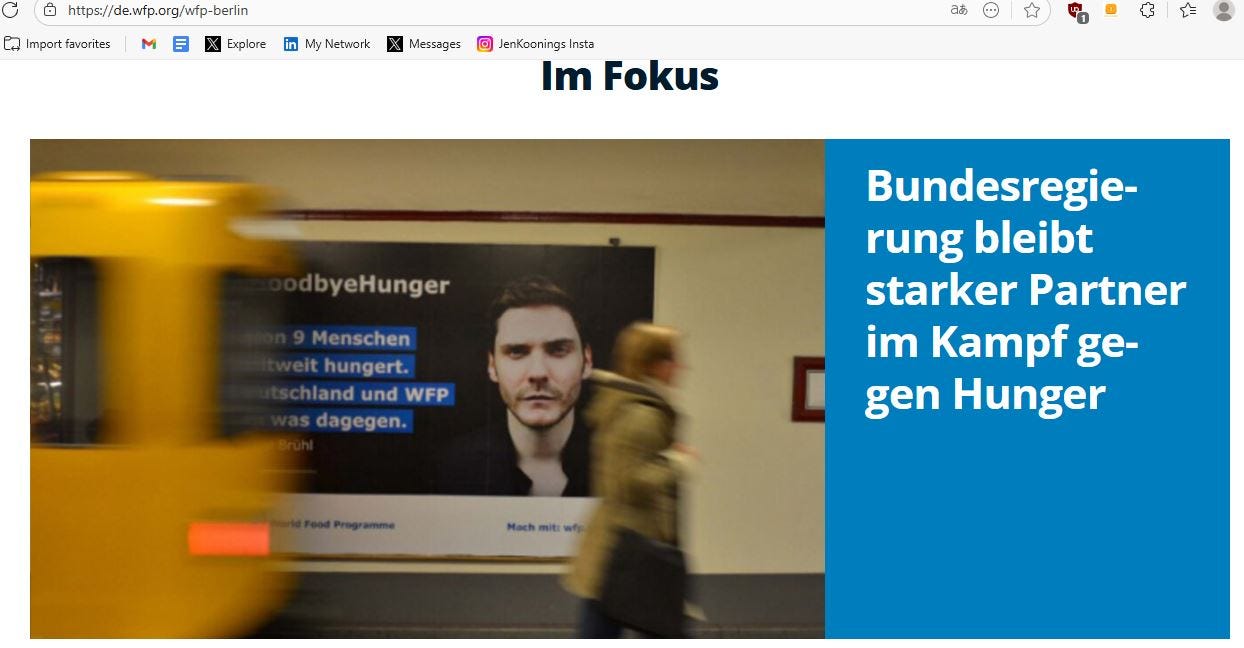
[Daniel Brühl]

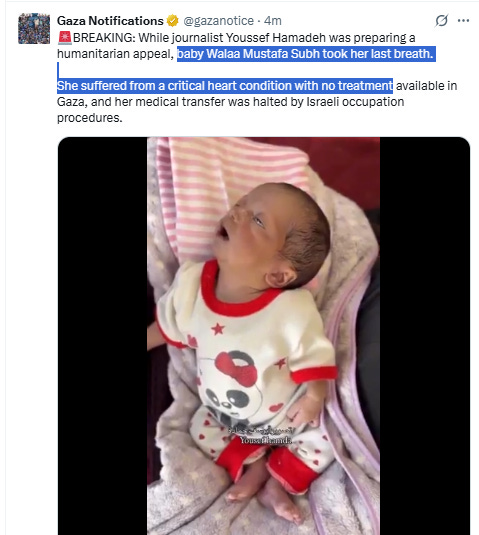
Most campaign shared or circulated in social media are for REAL people in Gaza. They’re legit. There are a lot of small campaigns for struggling families. This is their only lifeline. By donating & sharing, you are literally making history and alleviating part of their pain
Please do not rely on me alone for sharing your campaign. I’m only 1 person and sometimes I’m not online which is unreliable. I never ignore anybody on purpose but I have a very limited capacity & very little energy and time.
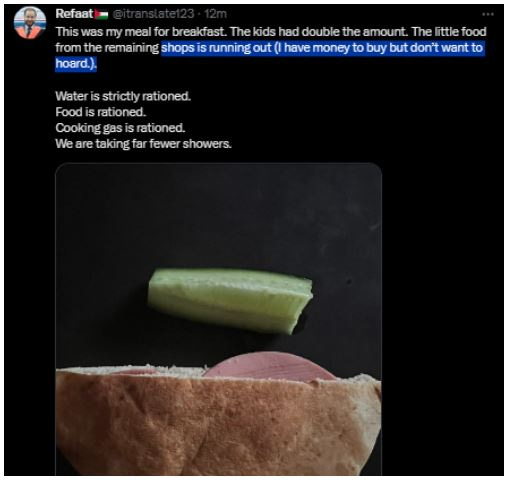
[Refaat Rafiq Alareer IF I MUST DIE] Refaat Rafiq Alareer was extremely hungry, November 2023, days before Refaat killed by Israel airstrike. If November 2023 already [one-by-one Gazan] extremely famine, extremely hungry, imagine November 2025 or more than 2 years Israel’s Genocide in Gaza.
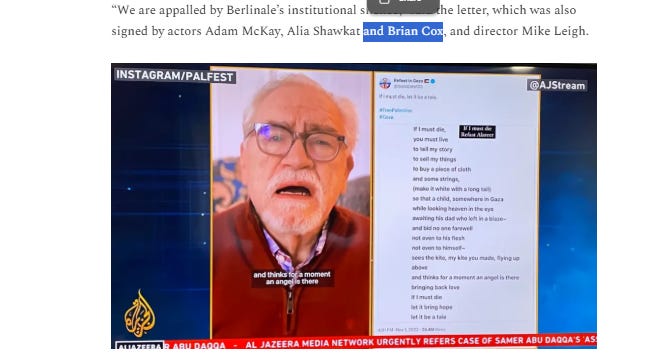
[RENEW] 455 Languages IF I MUST DIE of Refaat Rafiq Alareer [by 6100+ Translators, Social Media Users]
·
December 20, 2023
![[RENEW] 455 Languages IF I MUST DIE of Refaat Rafiq Alareer [by 6100+ Translators, Social Media Users]](https://substackcdn.com/image/fetch/$s_!jwSl!,f_auto,q_auto:good,fl_progressive:steep/https%3A%2F%2Fsubstack-post-media.s3.amazonaws.com%2Fpublic%2Fimages%2Fc25bd266-d4e2-4169-a5e4-e901227a8b0c_725x560.png "[RENEW] 455 Languages IF I MUST DIE of Refaat Rafiq Alareer [by 6100+ Translators, Social Media Users]")
Dec 9th, 2023, New York City, 4.10am —- with update total languages to be 310 as of July 1st, 2024, 3.52am New York City, and then, to be 350 languages as of July 28th, 2024, 1.37am ====== newest update as of July, 3rd, 2025 already 384 languages, and October 8th, 2025 reaches 455 languages across the globe.


Thanks for reading Prada’s Newsletter.
-
It would seem that immigrants from the so-called Confucian Zone (Japan, Korea, China and Vietnam) have a cultural predisposition toward academic excellence.