
Strategy Deadlock

The U.S. Faces a Strategic Deadlock with Iran
The failure of the recent talks in #Islamabadtalks drives from the fact that Iran did not arrive at the negotiating table weakened or desperate. On the contrary, Tehran came with a sense of resilience, and even advantage and behaved accordingly.
For weeks, the U.S. policy appears to have been guided by the assumption that sustained kinetic pressure had eroded Iran’s position enough to force meaningful concessions, particularly on uranium enrichment and freedom of navigation in the Strait of Hormuz.
But negotiations are not shaped by objective reality alone, they are driven by perception. And Iran’s perception is fundamentally different.
From Tehran’s perspective, it has withstood pressure, absorbed blows, and demonstrated its capacity to retaliate across multiple arenas. That is not the mindset of a regime preparing to compromise.
This gap between American expectations and Iranian self-perception now lies at the heart of a growing strategic deadlock.
The options facing Washington are all "problematic":
A. Renewed negotiations may simply reproduce the same dynamics, with Iran unwilling to concede and the U.S. unwilling to settle for less.
B. Ending the confrontation without an agreement risks signaling weakness and undermining deterrence. Escalation, meanwhile, carries the most significant risks of all.
C. A return to high-intensity conflict is unlikely to produce decisive results. While strikes on Iranian infrastructure, or even more ambitious military moves, could impose real costs on the regime, they would almost certainly trigger a broader response. Iran has both the capability and the willingness to expand the conflict horizontally, targeting U.S. interests, Israel, and regional partners. The result would not be a quick resolution, but a wider war with direct implications for global energy markets and economic stability.
In other words, military escalation may satisfy the desire to reassert leverage, but it is unlikely to deliver a strategic breakthrough.
This leaves Washington with a difficult but unavoidable conclusion: the burden of recalibrating strategy rests primarily on the United States.
That does not mean conceding to Iranian demands. But it does require a more sober assessment of what pressure alone can achieve, and a clearer understanding of the risks embedded in escalation.
The alternative is to continue operating under an illusion of leverage, one that recent events have already begun to expose.
Complicating matters further are the mounting political and strategic constraints facing Washington. With a high-stakes meeting between President Trump and China’s Xi Jinping on the horizon, a global spotlight event like the Soccer World Cup approaching, and midterm elections looming, the U.S. has limited appetite, and even less time, for a prolonged military campaign.
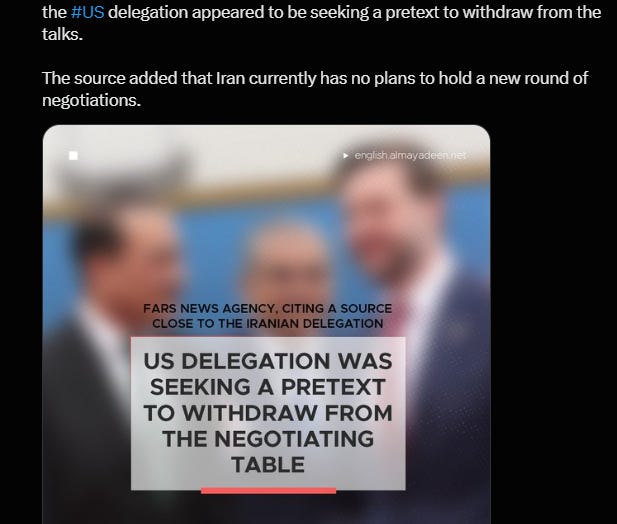
Large-scale options such as a ground invasion would require months to execute and sustain, with no guarantee of decisive results. Even extensive strikes on Iranian infrastructure, while painful, are unlikely to deliver a knockout blow. Instead, they risk entrenching the conflict and inviting retaliation across multiple fronts.

Taken together, these constraints underscore a deeper reality: the United States is not just facing a tactical dilemma, but a strategic entanglement, one in which its military options are costly, its diplomatic leverage is limited, and time is increasingly working against it.
Meanwhile, Iran remains defiant. The regime shows no indication that it is prepared to yield, certainly not under pressure, and not at this stage.
Strategy deadlock.
=============================
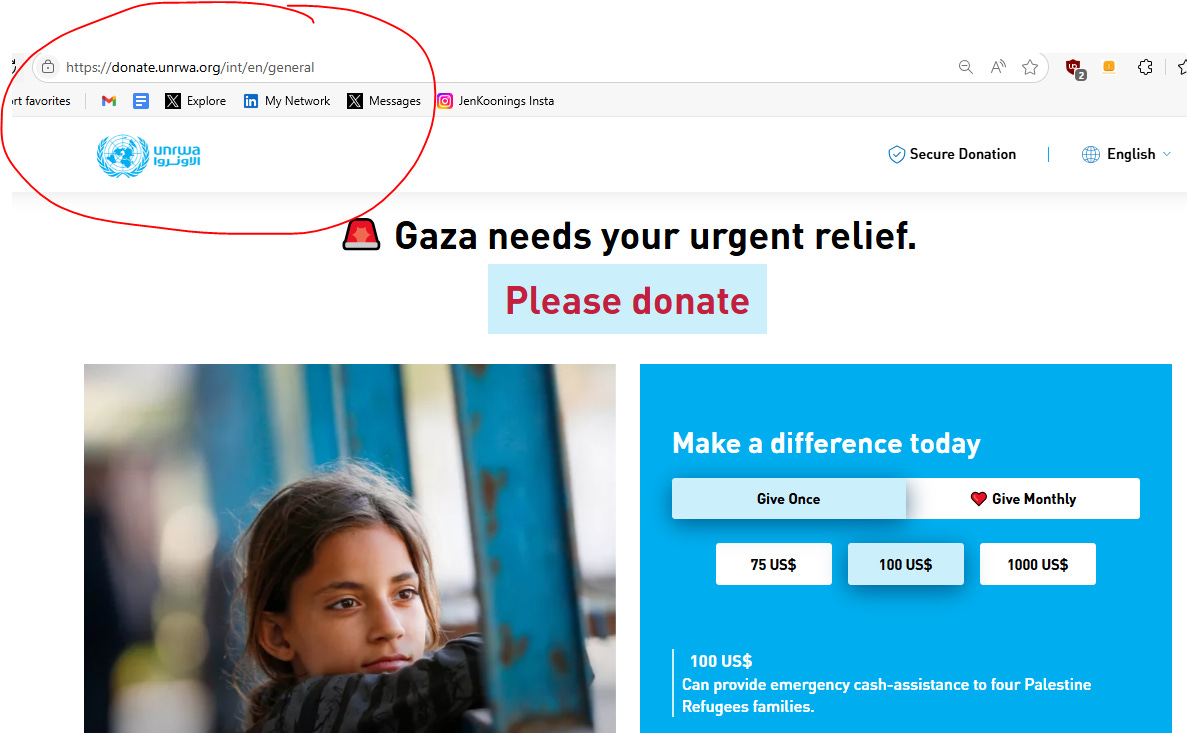
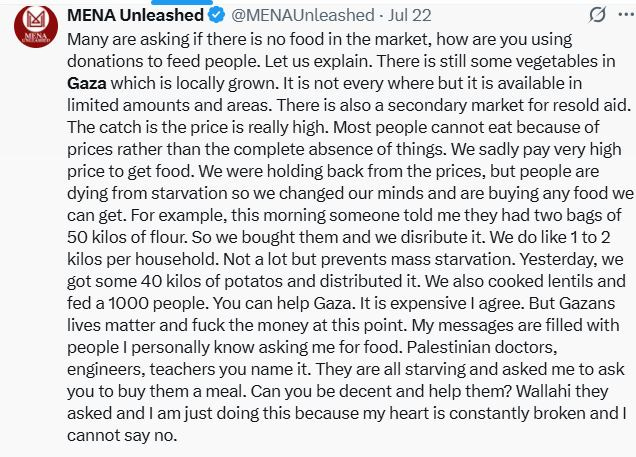
If you feel powerless to help Gaza, you still has a choice: donate. When so much of what exists is false, authenticity is a powerful weapon we can wield that the state never could. So if you feel lost, hopeless, depressed, angry and afraid, I implore you to return - again - again - and again - to the feeling of love that exists within you that brought you here in the first place. It is only through this that we can remake the world. To redress Gaza’s famine, displacement, and destruction, independent and impartial humanitarian organizations - UN agencies, international and national NGOs - must be allowed to deliver relief at scale. To salvage Gaza’s people from the devastation inflicted by Israel, it must be unified with the West Bank to form an independent and sovereign Palestinian State, not to be parceled and colonized by the former.

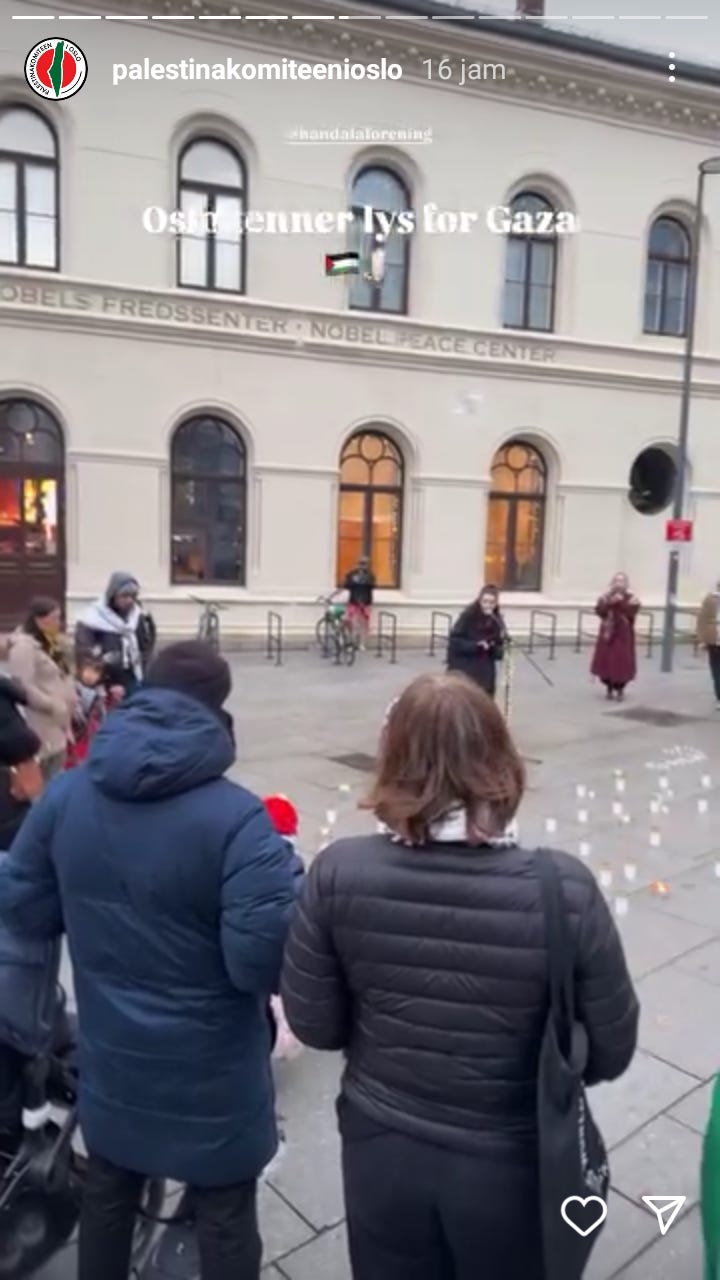
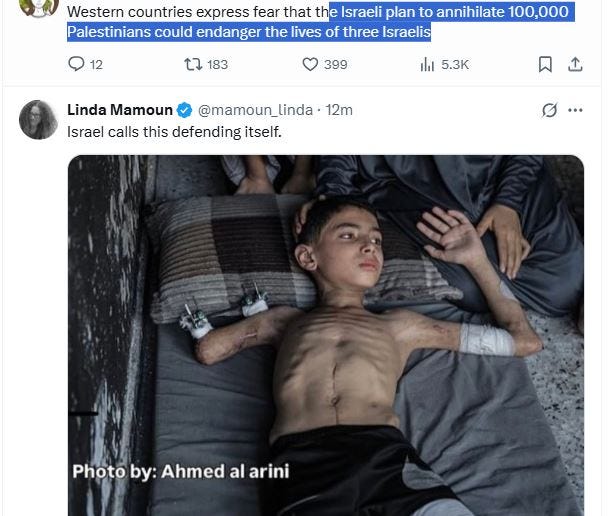
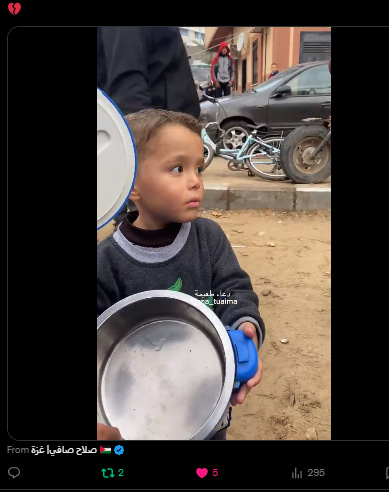
Meanwhile, children continue to be shredded by US bombs, and the starvation reaches new depths of hellish collective punishment. If both parties are going to continue to support an ongoing genocide, at least they can both be honest about doing so, rather than having one openly bloodthirsty party, and another—unconvincingly—playing the role of powerless, bumbling humanitarian.
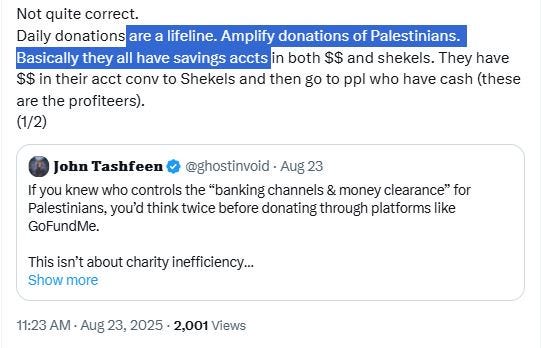
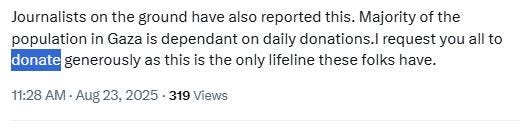
Please keep donate Gaza especially if you, as reader, has [background] International Relation [whatever universities]. IR Graduate means [you must, at least] get some semester [about] studying Middle East [in macro, not specifically Gaza].
We need more people to share fundraisers instead of only talking about Gaza. Some people think that those in Gaza don’t need money but that’s wrong. Almost everyone lost their source of income while essentials, food & medicine get sold for astronomical prices. So I put my attempt in all social media as I can, in twitter / X, in substack [since October 2023 I put link donation], in bluesky or bsky, in threads, in instagram.
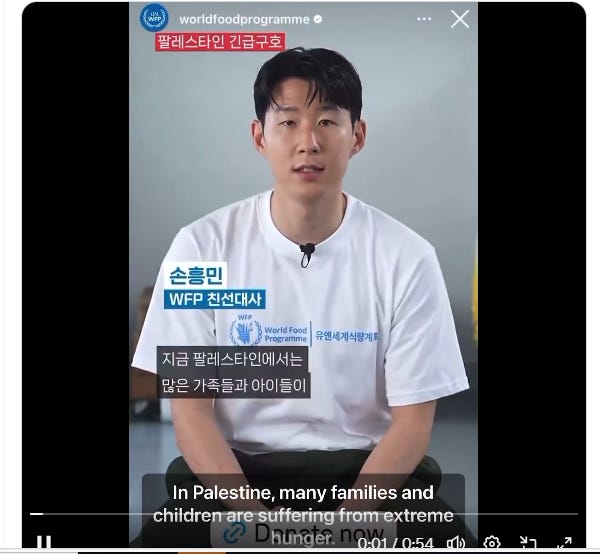
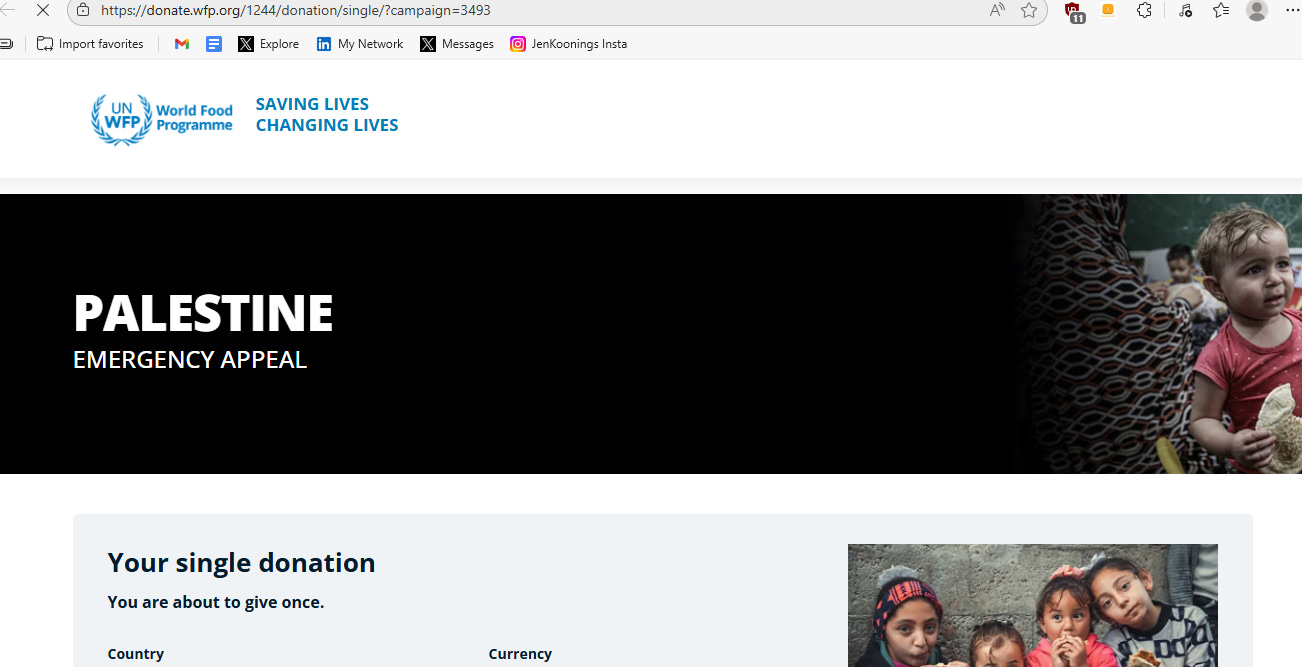
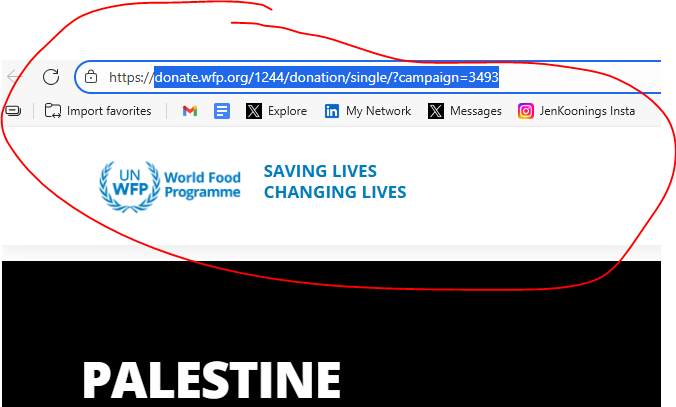
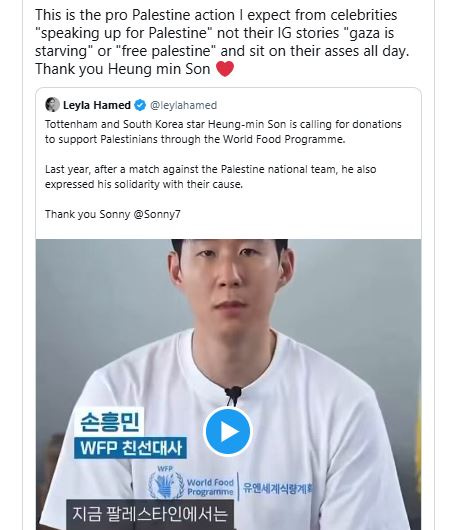
Link to donate World Food Programme - Palestine appeal: click here
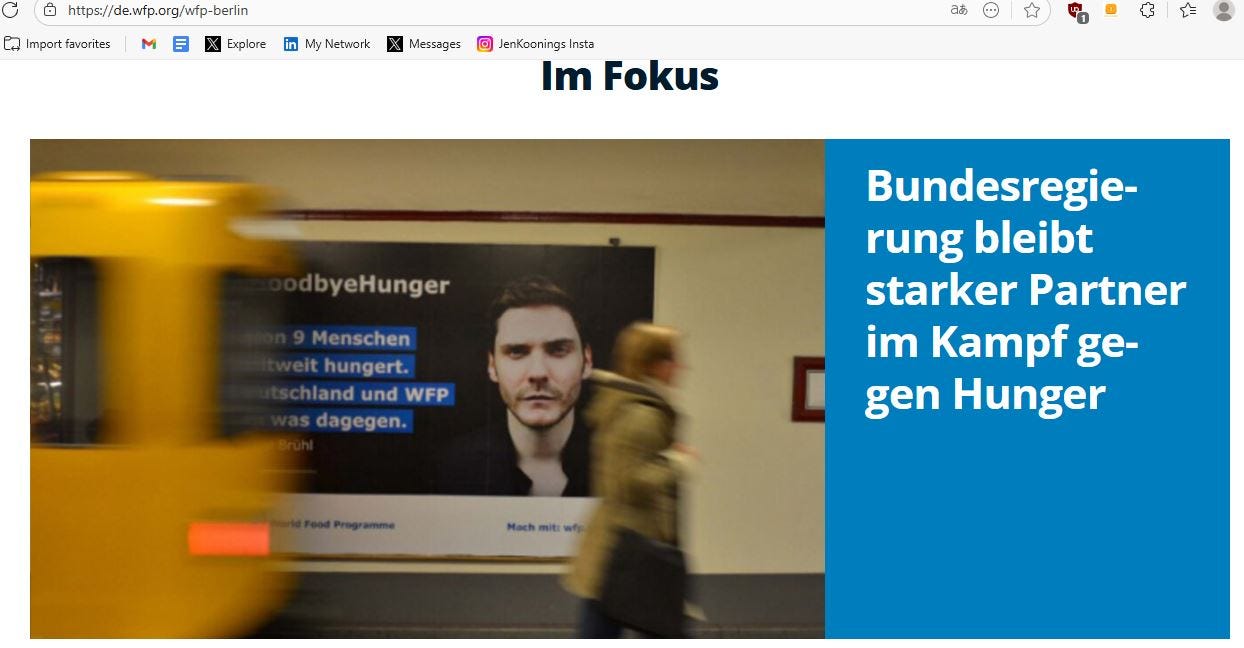
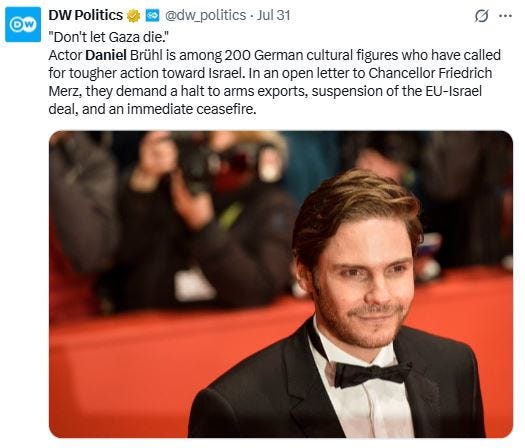
[Daniel Brühl]
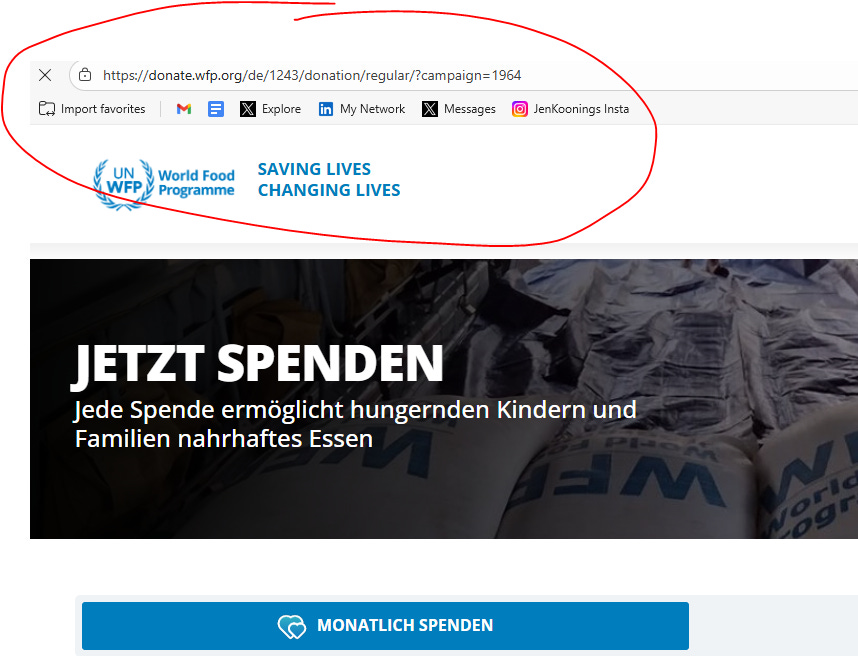
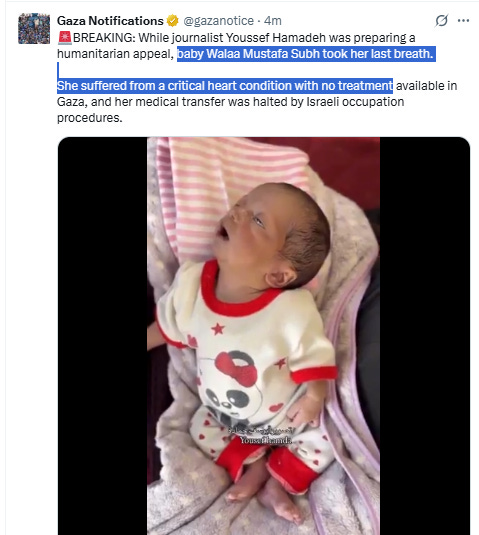
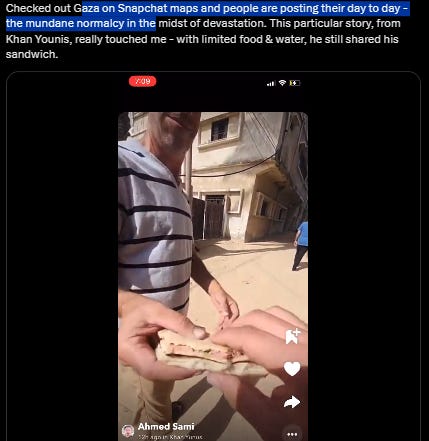
Most campaign shared or circulated in social media are for REAL people in Gaza. They’re legit. There are a lot of small campaigns for struggling families. This is their only lifeline. By donating & sharing, you are literally making history and alleviating part of their pain
Please do not rely on me alone for sharing your campaign. I’m only 1 person and sometimes I’m not online which is unreliable. I never ignore anybody on purpose but I have a very limited capacity & very little energy and time.
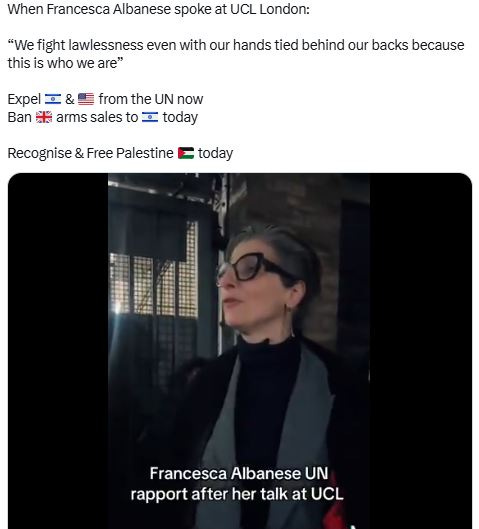
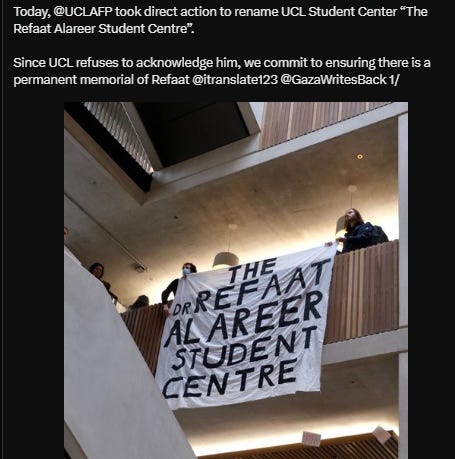
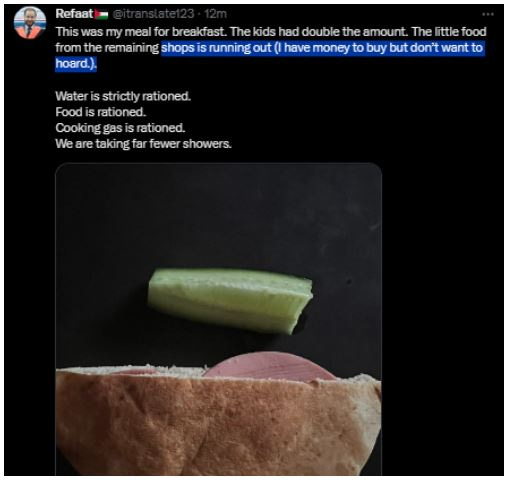
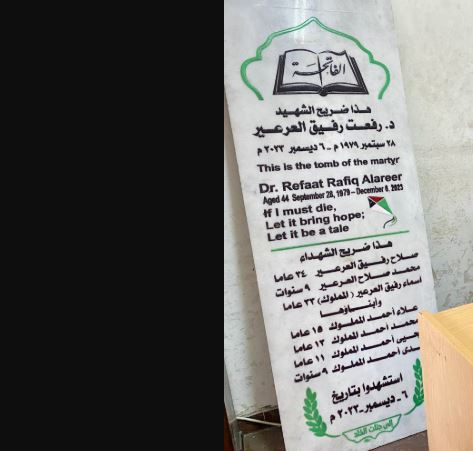
[Refaat Rafiq Alareer IF I MUST DIE] Refaat Rafiq Alareer was extremely hungry, November 2023, days before Refaat killed by Israel airstrike. If November 2023 already [one-by-one Gazan] extremely famine, extremely hungry, imagine November 2025 or more than 2 years Israel’s Genocide in Gaza.
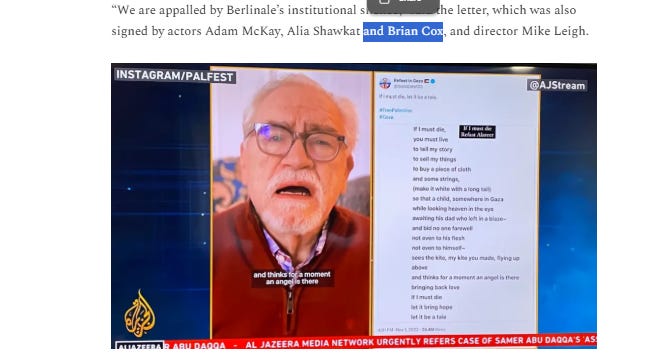
[RENEW] 455 Languages IF I MUST DIE of Refaat Rafiq Alareer [by 6100+ Translators, Social Media Users]
·
December 20, 2023
![[RENEW] 455 Languages IF I MUST DIE of Refaat Rafiq Alareer [by 6100+ Translators, Social Media Users]](https://substackcdn.com/image/fetch/$s_!jwSl!,f_auto,q_auto:good,fl_progressive:steep/https%3A%2F%2Fsubstack-post-media.s3.amazonaws.com%2Fpublic%2Fimages%2Fc25bd266-d4e2-4169-a5e4-e901227a8b0c_725x560.png "[RENEW] 455 Languages IF I MUST DIE of Refaat Rafiq Alareer [by 6100+ Translators, Social Media Users]")
Dec 9th, 2023, New York City, 4.10am —- with update total languages to be 310 as of July 1st, 2024, 3.52am New York City, and then, to be 350 languages as of July 28th, 2024, 1.37am ====== newest update as of July, 3rd, 2025 already 384 languages, and October 8th, 2025 reaches 455 languages across the globe.
Thanks for reading Prada’s Newsletter.
I will suggest that Trump and Co. were motivated toward a temporary ceasefire by
(1) the desire to bask in the "soft power" moment of a successful trip around the Moon, and
(2) the desire to delay any grpund invasion until the arrival of the USS Boxer:
https://www.militarytimes.com/news/your-military/2026/03/20/uss-boxer-and-11th-marine-expeditionary-unit-deploy-to-middle-east/