
When the interpreter wept: What automation erases inside Europe’s institutions

Roman Oleksiv was 11 years old when he stood before the European Parliament and, in a calm voice, described the last time he saw his mother. She was under the rubble of a hospital in Vinnytsia, Ukraine, hit by Russian missiles in July 2022. He could see her hair beneath the stone. He touched it. He said goodbye.
That’s when Ievgeniia Razumkova, the interpreter translating his words, stopped mid-sentence. Her eyes filled with tears, she shook her head. “Sorry,” she said. “I’m a bit emotional as well.”
A colleague then stepped in to finish, as Ievgeniia, still crying, placed her hand on the boy’s shoulder. He nodded and continued on.
That moment is what makes us human.
A translation algorithm would not have stopped. It would have rendered Roman’s testimony with perfect fluency and zero hesitation. It would have delivered the words “the last time I saw my mother” just as it would the sentence “hello, my name is Roman.” Same tone. Same rhythm. No recognition.
Today, we are building a world that treats translation — and increasingly everything else — as a problem to be solved. Translation apps now handle billions of words a day. Real-time tools let tourists order coffee in any language. Babel, we are told, is finally being fixed.
All of this has its place. But translation was never just a technical challenge. It is an act of witnessing.
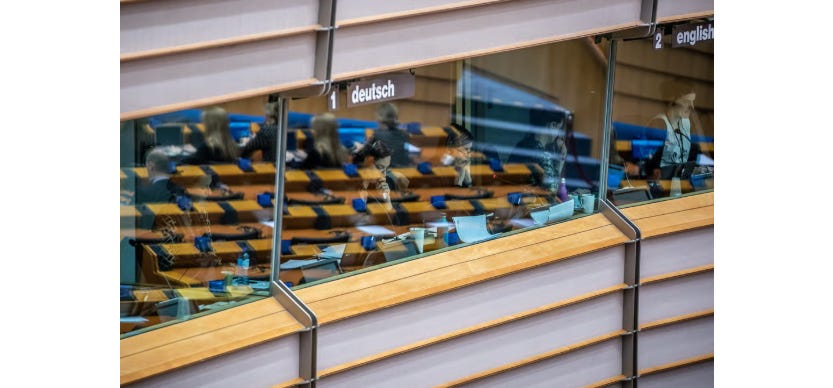
An interpreter does not merely convert words from one language to another. They carry meaning across the chasm between us. They hear what silences say. They make split-second ethical and semantic decisions over which synonym preserves dignity, when a pause holds more truth than a sentence, whether to soften a phrase that would shatter a survivor.
When Ievgeniia broke down in Brussels, she was not failing. She was doing her job. Her face told a room full of diplomats what no algorithm could: “This matters. This child’s suffering is real. Pay attention.”
Roman Oleksiv has undergone 36 surgeries. Burns cover nearly half his body. He was 7 years old when that missile hit. And when he described touching his dead mother’s hair, he needed someone in that room who could hold the weight of what he was saying — not just linguistically but humanly. Ievgeniia did that. And when she could not continue, another person stepped forward.
There is a reason interpreters in trauma proceedings receive psychological support. The best ones describe their work as a sacred burden. They absorb something. They metabolize horror, so it can cross from one language to another without losing its force.
Interpreters are not alone in this either. There are moments when trauma surgeons pause before delivering devastating news, journalists choose to lower their cameras, and judges listen longer than procedure requires. These are professions where humanity is not a flaw — it is the point.
This is not inefficiency. It is care made visible.
Algorithms process language as pattern, not communion. They have no understanding that another mind exists. They do not know that when Roman said goodbye, he was not describing a social gesture — he was performing the final ritual of love he would ever share with his mother, in the rubble of a hospital.
Translation apps do serve real purposes, and generative AI is becoming more proficient every day. But we should be honest about the trade we are making. When we treat human interpreters — and any human act of care — as inefficiencies to be optimized away, we lose that pause before “the last time I saw my mother.” We lose the hand on the shoulder. We lose the tears that say: “This child is not a data point. What happened to him is an atrocity.”
When an interpreter breaks, they are not breaking down. They are breaking open — making room for unbearable truth to enter, and for all of us to see it.
Roman deserved someone who could help us stand in his deepest pain, so that we might all lift it together.
A machine could not do that. A machine, by design, does not stop.
=======================
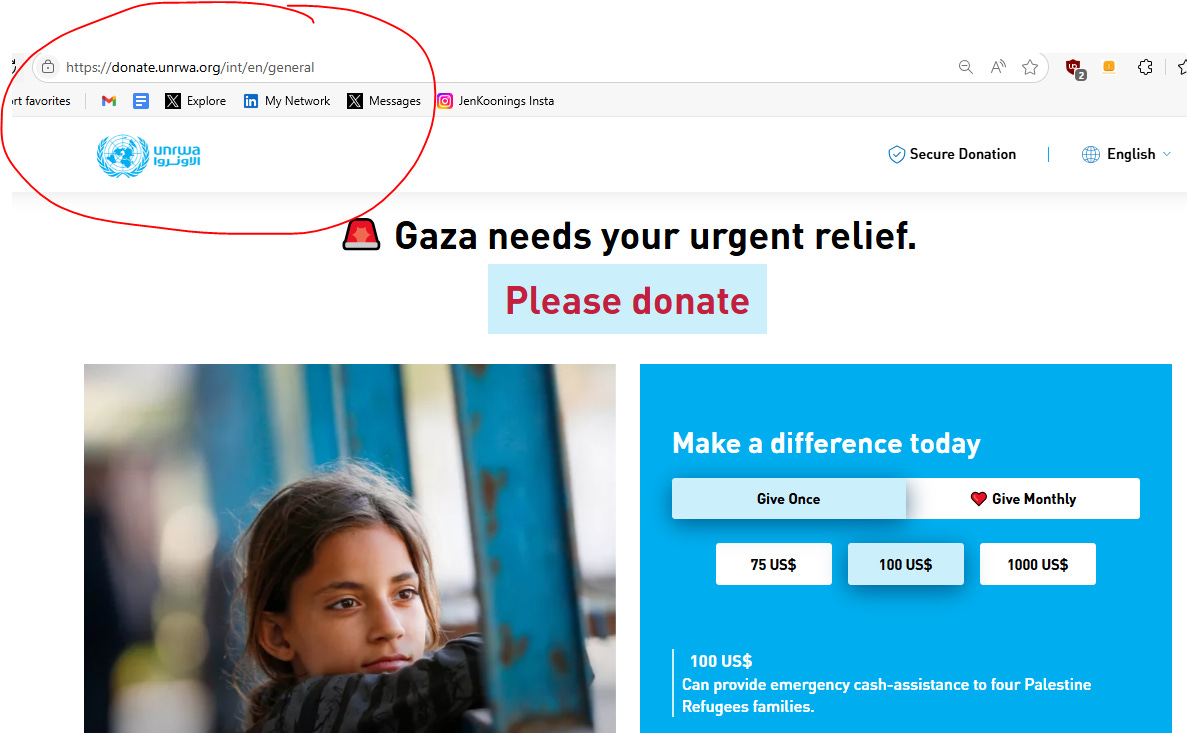
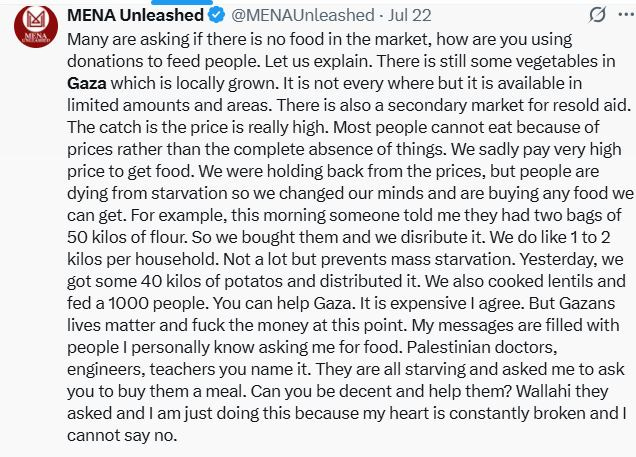
If you feel powerless to help Gaza, you still has a choice: donate. When so much of what exists is false, authenticity is a powerful weapon we can wield that the state never could. So if you feel lost, hopeless, depressed, angry and afraid, I implore you to return - again - again - and again - to the feeling of love that exists within you that brought you here in the first place. It is only through this that we can remake the world. To redress Gaza’s famine, displacement, and destruction, independent and impartial humanitarian organizations - UNITED NATION agencies, international and national NGOs - must be allowed to deliver relief at scale. To salvage Gaza’s people from the devastation inflicted by Israel, it must be unified with the West Bank to form an independent and sovereign Palestinian State, not to be parceled and colonized by the former.
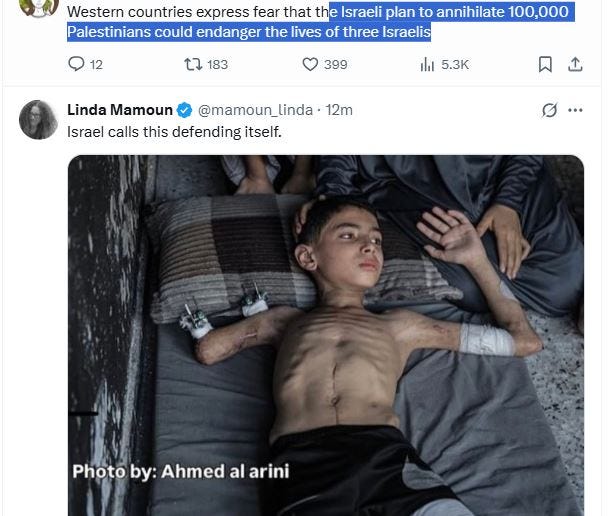
Meanwhile, children continue to be shredded by US bombs, and the starvation reaches new depths of hellish collective punishment. If both parties are going to continue to support an ongoing genocide, at least they can both be honest about doing so, rather than having one openly bloodthirsty party, and another—unconvincingly—playing the role of powerless, bumbling humanitarian.
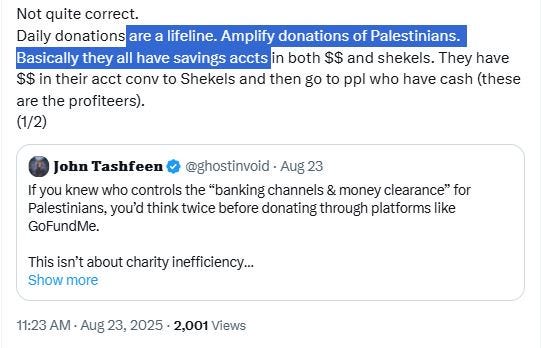
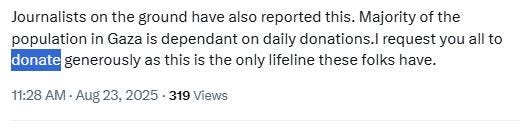
Please keep donate Gaza especially if you, as reader, has [background] International Relation [whatever universities]. IR Graduate means [you must, at least] get some semester [about] studying Middle East [in macro, not specifically Gaza].
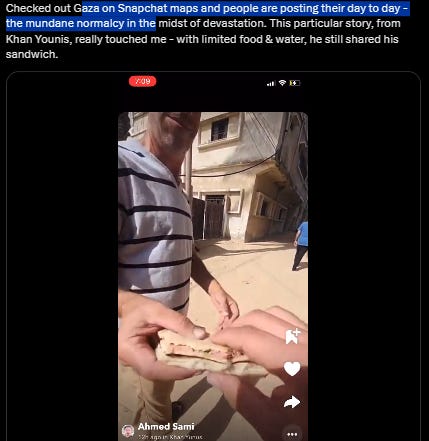
We need more people to share fundraisers instead of only talking about Gaza. Some people think that those in Gaza don’t need money but that’s wrong. Almost everyone lost their source of income while essentials, food & medicine get sold for astronomical prices. So I put my attempt in all social media as I can, in twitter / X, in substack [since October 2023 I put link donation], in bluesky or bsky, in threads, in instagram.
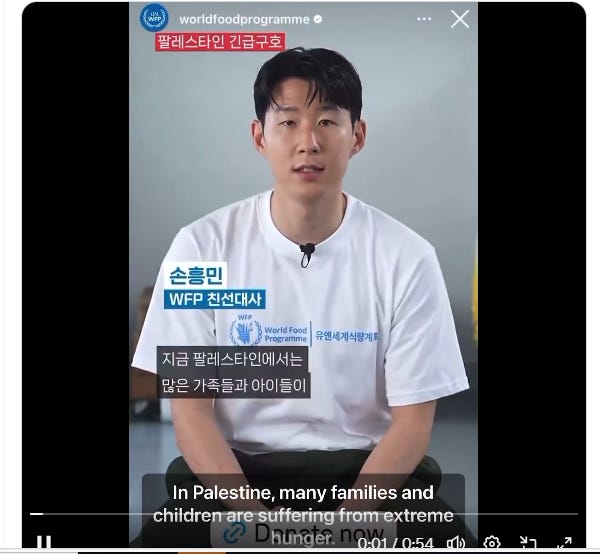
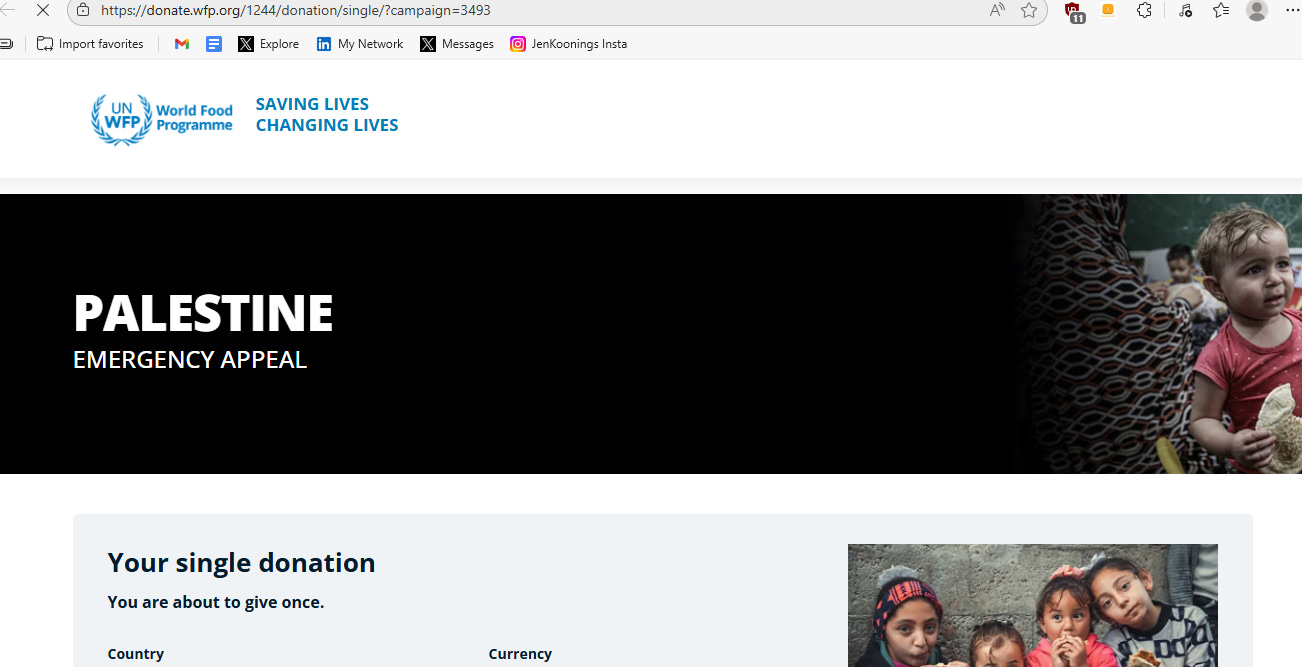
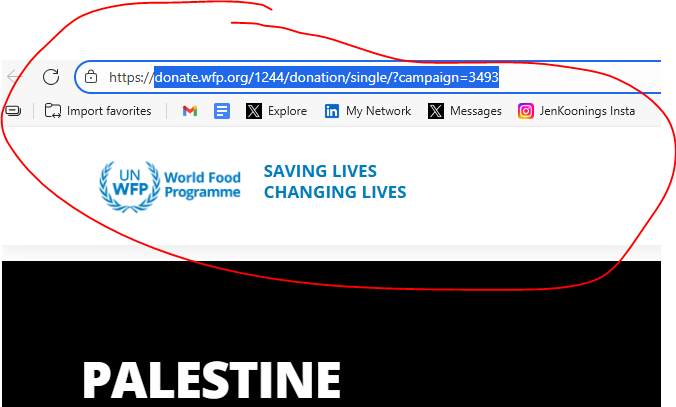
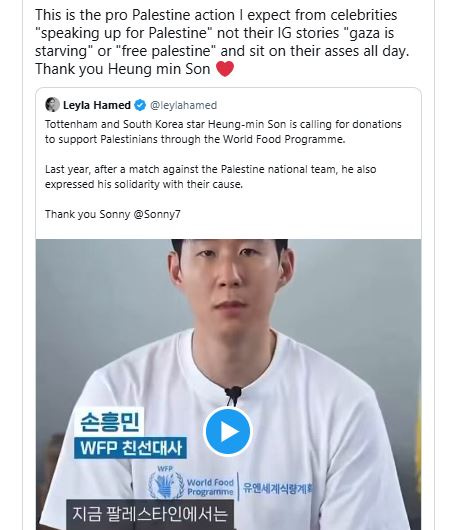
Link to donate World Food Programme - Palestine appeal: click here
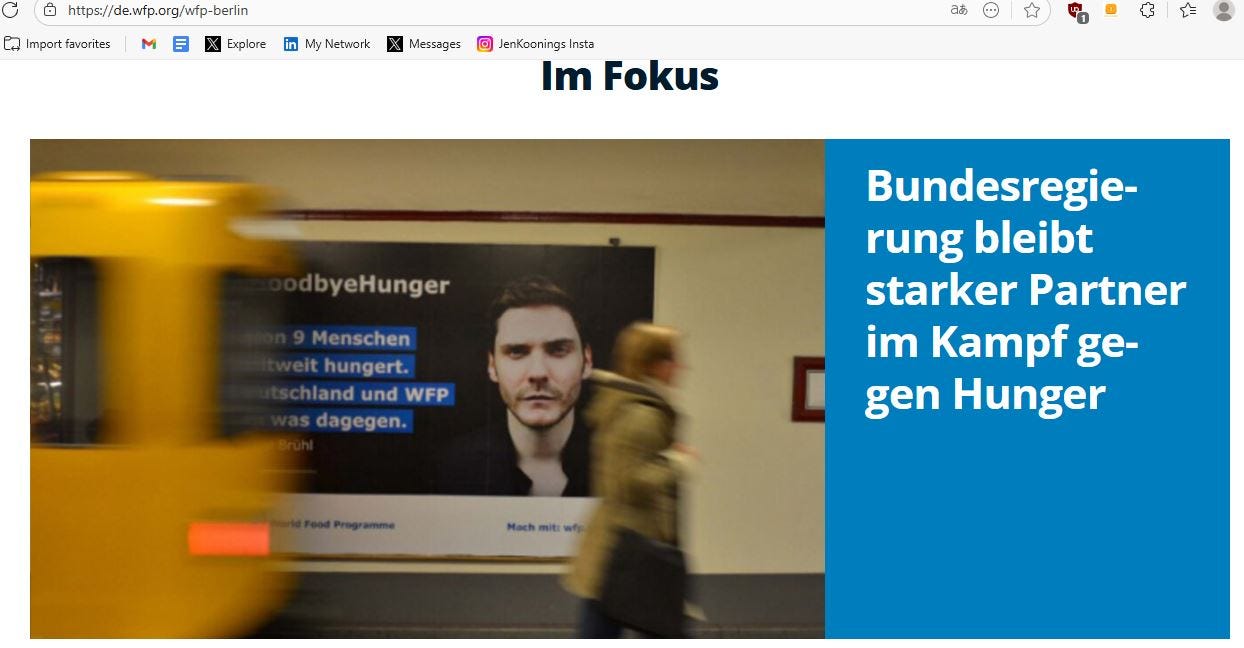
[Daniel Brühl]

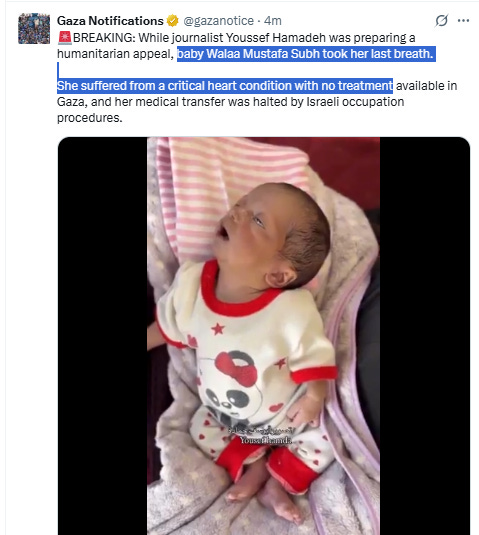
Most campaign shared or circulated in social media are for REAL people in Gaza. They’re legit. There are a lot of small campaigns for struggling families. This is their only lifeline. By donating & sharing, you are literally making history and alleviating part of their pain
Please do not rely on me alone for sharing your campaign. I’m only 1 person and sometimes I’m not online which is unreliable. I never ignore anybody on purpose but I have a very limited capacity & very little energy and time.
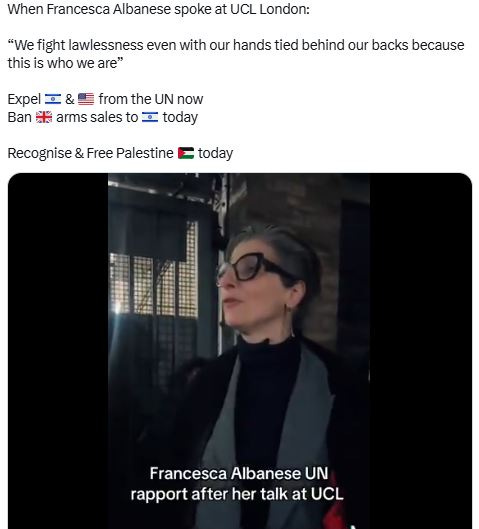
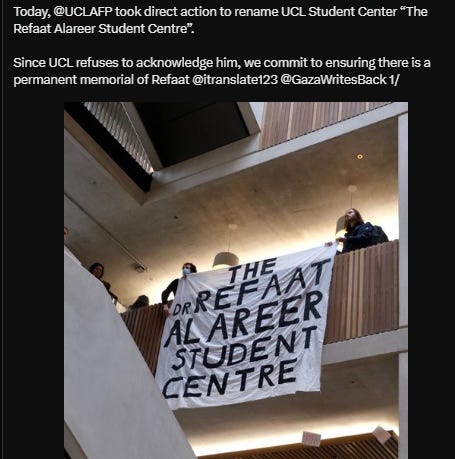
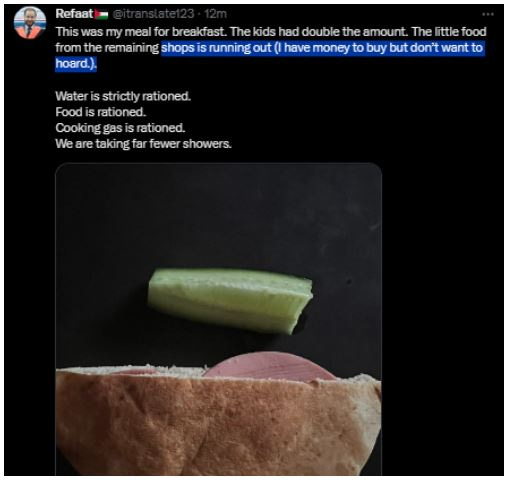
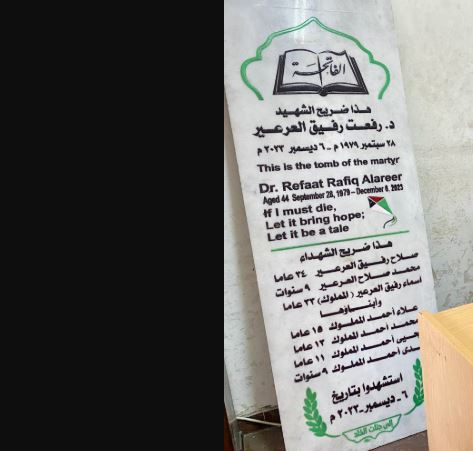
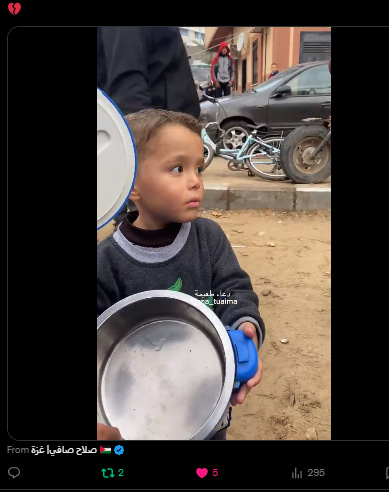
[Refaat Rafiq Alareer IF I MUST DIE] Refaat Rafiq Alareer was extremely hungry, November 2023, days before Refaat killed by Israel airstrike. If November 2023 already [one-by-one Gazan] extremely famine, extremely hungry, imagine November 2025 or more than 2 years Israel’s Genocide in Gaza.
Thanks for reading Prada’s Newsletter.